Español
 русский
-
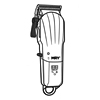
MRY Hair Clipper
-
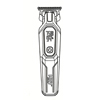
MRY Hair Trimmer
-
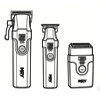
MRY Clipper Set
-
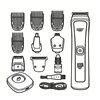
MRY Grooming Kit
-
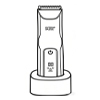
MRY Body Trimmer
-
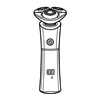
MRY Rotary Shaver
-
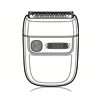
Travel & Mini Electric Shavers
-
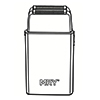
MRY Foil Shaver
-
MRY Nose Trimmer
-
MRY Hair Dryer
-
Hot Air Brush
-
MRY Hair Curler
-
MRY Hair Straightener
-
MRY Lady Shaver
-
MRY Electric Callus Remover
-
MRY Electric Manicure Kit
-
MRY Ultrasonic Cleaning Machine

-
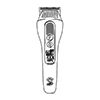
MRY Pet Clipper
-
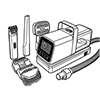
MRY Pet Hair Dryer
-
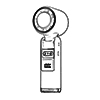
MRY Potable Fan
-
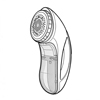
Electric Lint Remover
-
Other Personal Care Supplies

Wireless Pet Clippers vs. Cords: What Owners Prefer
When choosing grooming equipment, pet owners face a basic decision: should they buy a cordless tool or one that plugs into the wall? Both styles have their own strengths, and the right choice depends on how often the tool will be used and where grooming happens. By looking at the differences between wireless pet clippers and corded models, owners can make a choice that fits their situation.
Detailed Look at Cordless Models
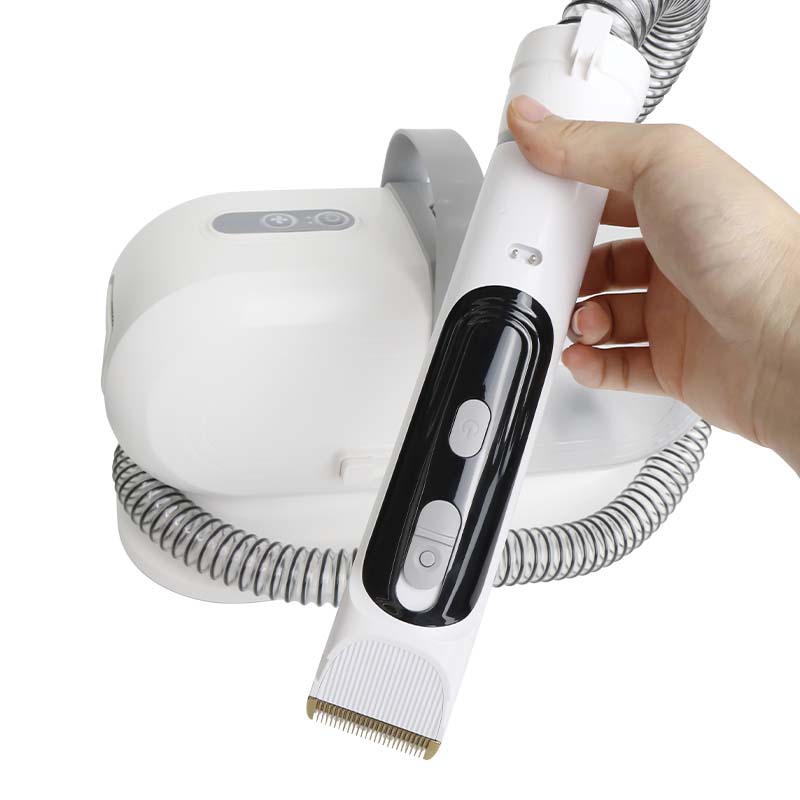
Wireless grooming tools offer freedom of movement. There is no cord to drag across the floor or to unplug when moving to a different room. This makes them useful for grooming a pet on a table, on the floor, or even outside. Wireless tools are also easier to store, as they do not need to be wrapped or hung near an outlet. For owners who do quick touch-ups between full grooms, grabbing a wireless tool for a few minutes is very convenient. Additionally, pets that are afraid of cords may feel calmer when a cordless tool is used.
Detailed Look at Corded Models
Corded grooming tools have one clear advantage: they do not run out of power. For owners with multiple pets or for those who groom thick-coated breeds in one long session, a corded tool keeps running as long as needed. There is no waiting for a battery to recharge. Corded models also tend to have more consistent motor speed. While many cordless tools are powerful, some slow down slightly as the battery drains. A corded tool maintains the same speed from start to finish. This consistency can be helpful when working on large areas or on thick mats.
Owner Preferences Based on Pet Type
Based on feedback from home groomers, cordless tools are more popular among people who groom one small to medium pet occasionally. The convenience of not dealing with a cord outweighs the need for all-day battery life. On the other hand, owners of large, thick-coated breeds often prefer corded tools. They mention that a full grooming session on a heavy-coated dog can take over an hour, and they do not want to stop midway to recharge. Owners of multiple pets also tend toward corded tools because grooming several animals in a row can take hours.
Owner Preferences Based on Location
Where grooming happens also affects the choice. Owners who groom in a dedicated space with a table and an outlet nearby often prefer corded tools because they can leave the tool plugged in and ready. Owners who groom in different locations, such as on a couch or outdoors, prefer cordless tools. Apartment dwellers with limited outlet access also lean toward cordless models. Owners who travel with their pets often choose cordless tools because they can pack them without carrying a long cord.
The Battery Life Challenge
The main trade-off is between convenience and endurance. A cordless tool offers convenience for short jobs. A corded tool offers endurance for long jobs. Some owners solve this by owning both: a cordless tool for quick face, paw, and sanitary trims, and a corded tool for full-body haircuts. Others choose a hybrid model that can run on battery but also work while plugged in. This type offers flexibility, though not every brand offers this feature.
Noise and Vibration Differences
Some owners report differences in noise and vibration between cordless and corded models. Cordless tools, especially those with brushless motors, can be quieter than corded tools. However, this varies by model rather than by power source. Some corded tools are very quiet, and some cordless tools are loud. Owners should read feedback about specific models rather than assuming one type is always quieter. Testing a tool before buying, if possible, is the way to evaluate noise and vibration.
Making a Choice Based on Your Routine
To decide between wireless and corded pet clippers, an owner can look at their grooming routine. If grooming takes less than 45 minutes and happens in different locations, a wireless tool is a good fit. If grooming takes over an hour or involves very thick hair that requires full power the entire time, a corded tool may work better. Both styles can produce good results. The choice comes down to how the tool fits into the owner's schedule and space.

[email protected]
[email protected]
+86-15167911707
+86-18257873768
Building 2, No.88 Jiugui Road, Chengxi New District, Yougkang City, Zhejiang, China
Copyright © Zhejiang Yongkang MRY Industry & Trade Co., Ltd. All Rights Reserved.
Hair Curler For Home Use Factory