Español
 русский
-
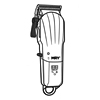
MRY Hair Clipper
-
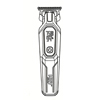
MRY Hair Trimmer
-
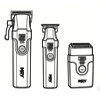
MRY Clipper Set
-
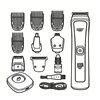
MRY Grooming Kit
-
MRY Body Trimmer
-
MRY Rotary Shaver
-
Travel & Mini Electric Shavers
-
MRY Foil Shaver
-
MRY Nose Trimmer
-
MRY Hair Dryer
-
Hot Air Brush
-
MRY Hair Curler
-
MRY Hair Straightener
-
MRY Lady Shaver
-
MRY Electric Callus Remover
-
MRY Electric Manicure Kit
-
MRY Ultrasonic Cleaning Machine
-
MRY Pet Clipper
-
MRY Pet Hair Dryer
-
MRY Potable Fan
-
Electric Lint Remover
-
Other Personal Care Supplies

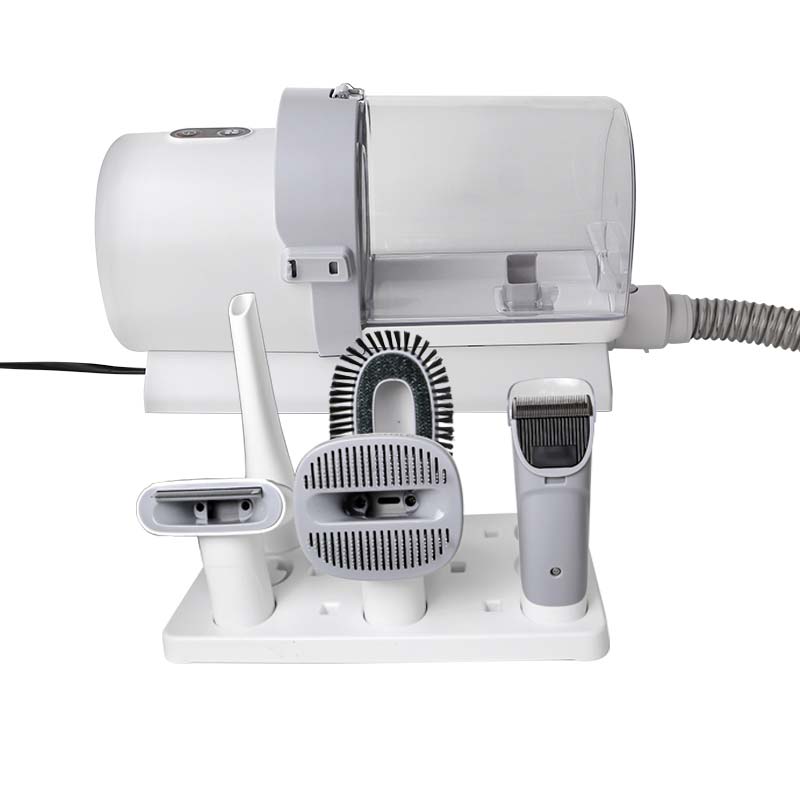
How Often Should You Replace Blades on Your Pet Clippers
Many pet owners keep using the same blade on their grooming tool for months or even years without checking its condition. Over time, all blades become less sharp. This happens even with careful use. A blade that no longer cuts cleanly can pull hair, irritate the skin, or leave an uneven finish. Learning to recognize when a blade should be replaced helps keep grooming sessions safe and comfortable for the pet.
The Pulling and Tugging Sign
The sign of a dull blade is pulling or tugging. Instead of cutting hair smoothly, the blade catches and pulls. Pets often react by turning their head, trying to move away, or whining. Some pets may snap or bite if the pulling causes pain. This is a clear signal that the blade is no longer performing as it should. A sharp blade should glide through hair with minimal resistance. When an owner feels resistance or sees the pet reacting negatively, checking the blade condition is the next step.
The Multiple Passes Sign
Another sign is that the same area needs multiple passes to remove hair. A sharp blade should cut through a reasonable amount of hair in one pass. If the owner finds themselves going over the same spot three or four times, the blade is likely dull. This not only wastes time but also increases the chance of skin irritation. Repeated passes over the same area can cause redness, especially on pets with sensitive skin. Owners may also notice that the cut looks uneven or choppy.
Visible Damage to the Blade
A third sign is visible damage. Small nicks, rust spots, or uneven teeth mean the blade should be replaced immediately, as it could scratch the pet's skin. Rust is particularly dangerous because it can cause skin infections if small particles transfer to an open scratch. Bent teeth can pinch the skin or create uneven cutting pressure. Owners should inspect their blades under good light every few uses. Any blade with visible damage should be taken out of use right away.
How Usage Frequency Affects Replacement Time
How often a blade needs replacement depends on how much it is used. For someone who grooms one pet every two weeks, a blade may stay in good shape for six to twelve months. For a household with three or more pets that get groomed weekly, a blade might need replacement every three to six months. Professional groomers, who use their tools for hours each day, often replace or sharpen blades every few weeks. Thick, coarse hair wears down blades faster than soft, fine hair. Dirty hair with sand or dirt also accelerates blade wear.
The Role of Proper Maintenance
Good maintenance can make a blade last longer. After each use, removing hair from between the teeth is important. A small brush made for grooming tools works well for this. Some owners also use a spray cleaner or compressed air to blow out tiny particles. Lubrication is another key step. A drop of blade oil on the teeth and along the blade edge reduces friction and heat. Oiling should be done before each use, or at least every few uses. Without oil, blades become dull faster and may overheat.
Sharpening vs. Buying New Blades
When a blade becomes dull, owners have two choices: have it sharpened or buy a replacement. Sharpening services exist for many blade types, and this can be a lower-cost option if the blade has no physical damage. However, sharpening does not work for blades that are chipped, rusted, or bent. For those, a new blade is the only option. Some owners keep two blades: one in use and one ready as a backup. This allows them to continue grooming even if one blade becomes dull during a session.
A Simple Check Before Each Use
Before starting a grooming session, owners can test the blade on a small patch of hair from an area that is not sensitive, like the lower back. If the blade cuts smoothly with one gentle pass and the pet does not react, the blade is likely still in good condition. If the hair snags or the pet pulls away, the blade may need replacement or sharpening. Paying attention to these small signs helps maintain a safe and pleasant grooming experience.

[email protected]
[email protected]
+86-15167911707
+86-18257873768
Building 2, No.88 Jiugui Road, Chengxi New District, Yougkang City, Zhejiang, China
Copyright © Zhejiang Yongkang MRY Industry & Trade Co., Ltd. All Rights Reserved.
Hair Curler For Home Use Factory