Español
 русский
-
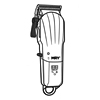
MRY Hair Clipper
-
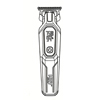
MRY Hair Trimmer
-
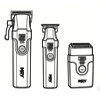
MRY Clipper Set
-
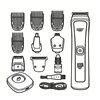
MRY Grooming Kit
-
MRY Body Trimmer
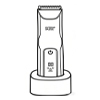
-
MRY Rotary Shaver
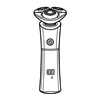
-
Travel & Mini Electric Shavers
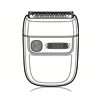
-
MRY Foil Shaver
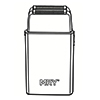
-
MRY Nose Trimmer
-
MRY Hair Dryer
-
Hot Air Brush
-
MRY Hair Curler
-
MRY Hair Straightener
-
MRY Lady Shaver
-
MRY Electric Callus Remover
-
MRY Electric Manicure Kit
-
MRY Ultrasonic Cleaning Machine
-
MRY Pet Clipper
-
MRY Pet Hair Dryer
-
MRY Potable Fan
-
Electric Lint Remover
-
Other Personal Care Supplies

Pet Clippers for Low Noise Performance and Comfortable Pet Grooming
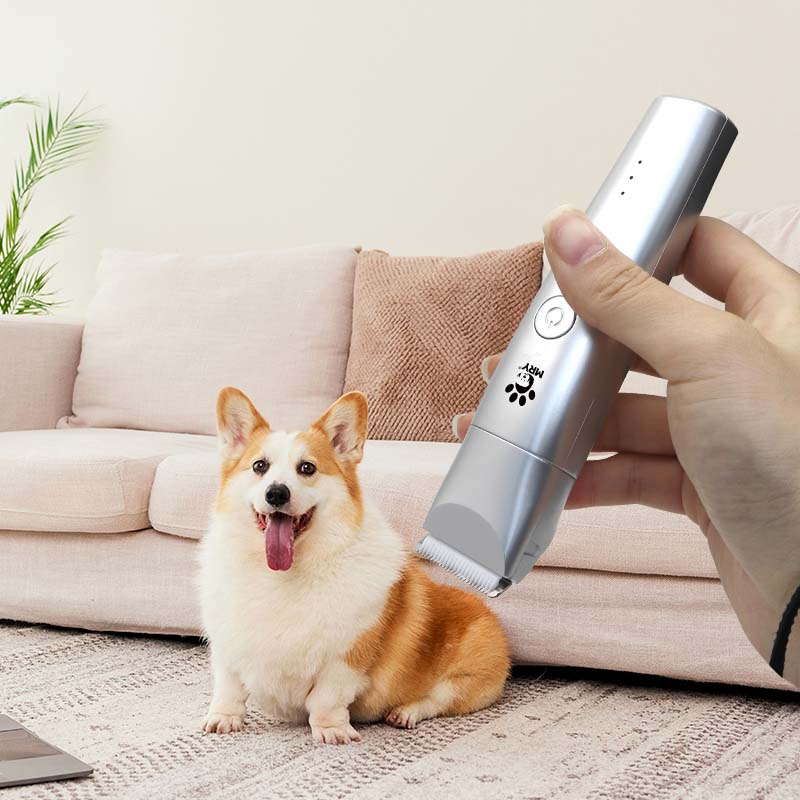
Many pets find the sound of grooming tools unpleasant. Dogs and cats have more sensitive hearing than humans. A sound that seems moderate to a person can feel loud or even painful to an animal. This is why some pets run away, hide, or show signs of fear when a grooming tool turns on. Low-noise pet clippers are designed to address this issue. By reducing the sound produced during operation, these tools help keep pets calm and make the grooming process easier for everyone involved.
Understanding Pet Hearing Sensitivity
The hearing range of dogs extends to higher frequencies than human hearing. Sounds that are barely audible to people can be very clear to dogs. Cats have even more sensitive hearing than dogs. A grooming tool that sounds like a quiet hum to a person may sound like a loud buzz to a pet. Additionally, sudden or high-pitched sounds can startle animals. Some pets develop negative associations with grooming sounds after one bad experience. Starting with a low-noise tool makes this process easier.
How Low-Noise Tools Are Built
The sound level of a grooming tool depends mainly on the motor and the internal construction. Motors that use brushless technology tend to run more quietly than older motor types. The difference comes from fewer moving parts inside the motor. Brushless motors also produce less electrical noise, which can be a source of high-frequency sound that pets find irritating. Additionally, some tools have internal padding or shock-absorbing mounts that reduce vibration and noise. These small design choices add up to a noticeable difference.
The Connection Between Vibration and Noise
Noise and vibration often go together. A tool that produces a lot of vibration also tends to make more sound, and the vibration itself can bother a pet. Even if the sound is not loud, the feeling of constant shaking against the skin may make a pet uneasy. Low-vibration tools transfer less movement from the motor to the outer housing and blade. This results in a smoother feel against the pet's body. For pets that are very sensitive, using a low-vibration tool can make a noticeable difference.
Comparing Sound Levels Across Tools
Not all low-noise tools sound the same. Some produce a low hum, while others produce a higher-pitched whine. Pets may react differently to different sound frequencies. A tool that one pet ignores may frighten another pet. Owners with multiple pets may need to try different tools to find one that all their animals accept. Reading feedback from other owners can provide clues about a tool's sound character. Lower-pitched sounds are generally less startling to animals because they resemble natural sounds.
Testing a Tool's Noise Level Before Use
Since owners cannot try a tool before buying in cases, reading customer feedback is helpful. Some users mention whether a tool scared their pet or not. Others describe how their pet reacted when the tool was turned on. Another approach is to test a new tool away from the pet first. Turning it on in another room lets the owner hear the sound level without the pet present. If the sound seems harsh or loud even from a distance, the pet will likely find it bothersome.
Introducing a Low-Noise Tool to a Sensitive Pet
Even with a quiet tool, introducing it slowly helps the pet feel safe. Leaving the tool turned off near the pet's resting area for a few days allows the animal to get used to seeing it. Then, turning it on for a few seconds while giving a treat creates a positive association. Gradually increasing the time the tool runs while pairing it with calm petting or treats helps the pet understand that the sound is not a threat. This process takes patience, but it works for many animals.
Building Positive Associations Over Time
Creating a positive association with the grooming tool takes repeated, short sessions. Five minutes of grooming followed by a treat is better than thirty minutes of grooming with no break. Ending each session before the pet shows signs of stress helps build trust. Over several weeks, the pet learns that the grooming tool means treats and attention, not fear. A low-noise tool supports this process by removing one source of fear.
Other Comfort Features That Help
Low noise performance is one part of comfortable grooming. Other features also matter. A blade that stays at a comfortable temperature is important, as a hot blade can surprise and upset a pet. Rounded blade tips reduce the chance of accidental scratches. A tool that fits comfortably in the owner's hand also helps, as a steady grip leads to smoother movements. For owners with pets that have shown fear of grooming in the past, trying a low-noise tool is a good starting point. Many pets respond well to the quieter operation, and over time, they may become more willing to accept regular grooming.

[email protected]
[email protected]
+86-15167911707
+86-18257873768
Building 2, No.88 Jiugui Road, Chengxi New District, Yougkang City, Zhejiang, China
Copyright © Zhejiang Yongkang MRY Industry & Trade Co., Ltd. All Rights Reserved.
Hair Curler For Home Use Factory