Español
 русский
-
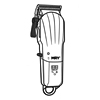
MRY Hair Clipper
-
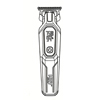
MRY Hair Trimmer
-
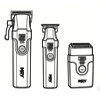
MRY Clipper Set
-
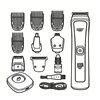
MRY Grooming Kit
-
MRY Body Trimmer
-
MRY Rotary Shaver
-
Travel & Mini Electric Shavers
-
MRY Foil Shaver
-
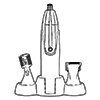
MRY Nose Trimmer
-
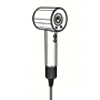
MRY Hair Dryer
-
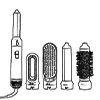
Hot Air Brush
-
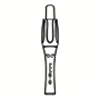
MRY Hair Curler
-
MRY Hair Straightener
-
MRY Lady Shaver
-
MRY Electric Callus Remover
-
MRY Electric Manicure Kit
-
MRY Ultrasonic Cleaning Machine
-
MRY Pet Clipper
-
MRY Pet Hair Dryer
-
MRY Potable Fan
-
Electric Lint Remover
-
Other Personal Care Supplies

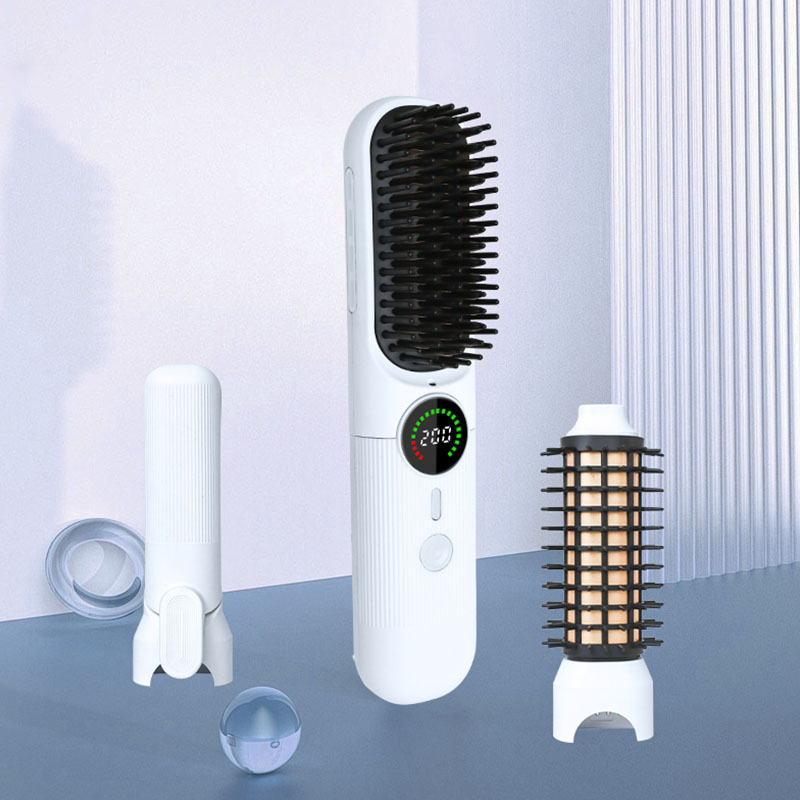
Hair Dryer Brush: From Convenience to Scalp-Safe Smart Design
Daily hair styling routines are becoming more focused on comfort and ease of use. As consumers search for tools that fit modern lifestyles, the Hair Dryer Brush continues attracting attention for its ability to combine drying and styling in one process. At the same time, users are showing growing interest in features related to scalp comfort, heat control, and overall usability.
Convenience Continues to Influence Buying Decisions
Many people want to reduce the time spent on hair styling each morning. Traditional routines often require several tools, including a blow dryer, styling brush, and straightener. Switching between devices can feel inconvenient, especially for users with busy schedules.
A Hair Dryer Brush allows consumers to dry and shape their hair at the same time. This approach appeals to users looking for simpler styling routines at home, during travel, or before work and social activities.
The popularity of quick styling tutorials on social media has also encouraged more consumers to explore one-step styling tools. Many users are attracted to the idea of creating smooth, voluminous hairstyles with fewer steps.
Consumers Are Paying More Attention to Scalp Comfort
As interest in hair care grows, users are becoming more aware of how heat affects not only the hair strands but also the scalp area. Excessive heat exposure near the roots may create discomfort during long styling sessions.
Because of this, many consumers now look for Hair Dryer Brush designs with balanced airflow and adjustable temperature settings. Controlled heat distribution is often associated with a more comfortable styling experience.
Cool airflow functions are also becoming more common. Some users prefer alternating between warm and cool settings while styling to reduce heat buildup near the scalp.
Smart Design Features Are Becoming More Popular
Modern styling tools are evolving beyond basic heating functions. Consumers now expect features that improve handling, comfort, and flexibility during daily use.
Lightweight construction has become an important selling point, especially for users with long or thick hair who spend more time styling. Ergonomic handles are also gaining attention because they may help reduce wrist fatigue during extended use.
Noise reduction is another growing area of interest. Many users prefer quieter styling tools for morning or evening routines at home.
In addition, adjustable airflow systems and multiple heat settings are becoming increasingly common as consumers seek more personalized styling experiences.
Different Hair Types Require Different Approaches
Hair texture and density influence how styling tools are used. Fine hair users often search for lower heat settings that can help maintain volume without excessive dryness. Thick or coarse hair users may focus more on airflow strength and styling efficiency.
Curly and textured hair consumers are also exploring Hair Dryer Brush products for smoother styling routines. Many are interested in reducing frizz while maintaining movement and a more natural appearance.
This growing variety of styling preferences has encouraged the market to focus more on adaptable designs and customizable heat options.
Styling Habits Still Affect Hair and Scalp Condition
Even with improved technology, daily styling habits remain important. Holding the brush in one area for too long or using strong heat every day may still affect both hair and scalp comfort.
Many consumers now include heat protectant products, leave-in conditioners, and moisturizing treatments in their routines. Towel drying the hair before styling is also commonly recommended to help reduce unnecessary heat exposure.
Users are becoming more aware that comfortable styling often depends on both the product design and the way the tool is used.
Smart Styling Trends Continue to Evolve
The growing popularity of Hair Dryer Brush products reflects broader changes in the beauty and personal care market. Consumers are looking beyond simple styling performance and paying more attention to comfort, airflow balance, and everyday usability.
As product designs continue evolving, features related to scalp-friendly airflow, adjustable temperatures, and lightweight handling are expected to remain important factors influencing future styling preferences.

[email protected]
[email protected]
+86-15167911707
+86-18257873768
Building 2, No.88 Jiugui Road, Chengxi New District, Yougkang City, Zhejiang, China
Copyright © Zhejiang Yongkang MRY Industry & Trade Co., Ltd. All Rights Reserved.
Hair Curler For Home Use Factory