Español
 русский
-
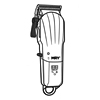
MRY Hair Clipper
-
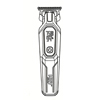
MRY Hair Trimmer
-
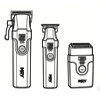
MRY Clipper Set
-
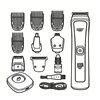
MRY Grooming Kit
-
MRY Body Trimmer
-
MRY Rotary Shaver
-
Travel & Mini Electric Shavers
-
MRY Foil Shaver
-
MRY Nose Trimmer
-
MRY Hair Dryer
-
Hot Air Brush
-
MRY Hair Curler
-
MRY Hair Straightener
-
MRY Lady Shaver
-
MRY Electric Callus Remover
-
MRY Electric Manicure Kit
-
MRY Ultrasonic Cleaning Machine
-
MRY Pet Clipper
-
MRY Pet Hair Dryer
-
MRY Potable Fan
-
Electric Lint Remover
-
Other Personal Care Supplies

Hair Clipper Manufacturer: Comparing Motors, Blades, and Battery Life
Consumer expectations for grooming devices continue to evolve as users seek products that combine convenience, durability, and reliable performance. Technical specifications have become increasingly important during the purchasing process, especially for professional applications.
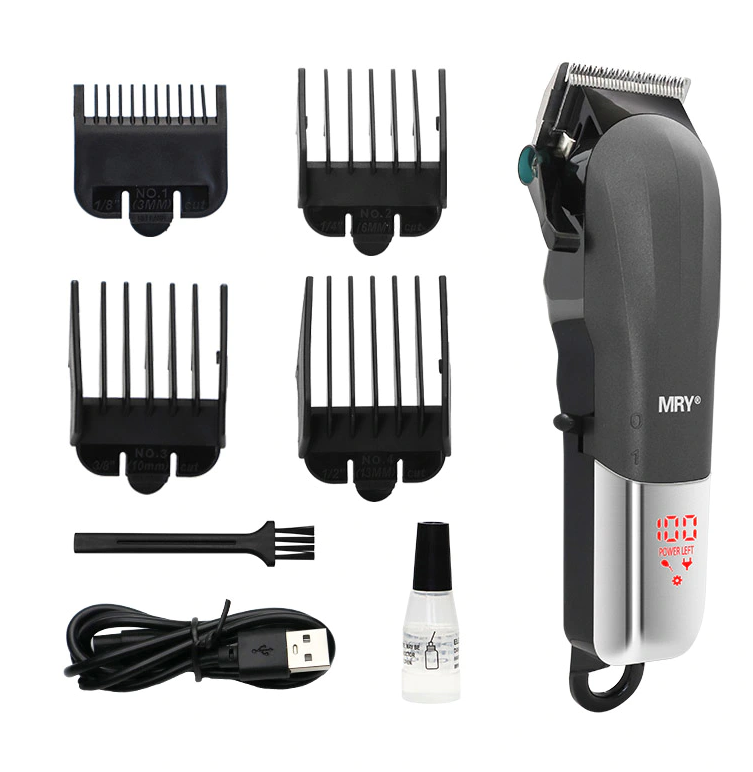
For buyers evaluating products from a Hair Clipper Manufacturer, motor systems, blade materials, and battery performance often influence sourcing decisions. Companies working with a Hair Dryer Brush Manufacturer frequently apply similar standards when assessing product quality, usability, and maintenance requirements.
Understanding how these components affect daily operation can help importers, distributors, and retailers identify products that fit their target markets.
Why Technical Specifications Matter
Appearance may attract initial attention, but long-term performance often determines customer satisfaction.
Professional barbers and home users typically evaluate:
Operating efficiency
Runtime and charging convenience
Noise levels
Heat management
Maintenance requirements
Product durability
For cordless devices, the interaction between the motor, blade system, and battery technology directly influences the user experience.
As a result, buyers increasingly compare technical specifications before introducing new product lines.
Comparing Different Motor Types
The motor is a key component of a hair clipper.
Rotary Motors
Rotary motors provide balanced speed and torque, making them suitable for various hair types and extended grooming sessions.
Magnetic Motors
Magnetic motors offer fast blade movement and are commonly used for precision trimming and routine maintenance.
Pivot Motors
Pivot motors deliver stronger torque and perform well when cutting thick or damp hair.
Brushless Motors
Brushless motor technology continues to gain attention because it can reduce mechanical wear, lower operating noise, and improve energy efficiency.
Both Hair Clipper Manufacturer and Hair Dryer Brush Manufacturer product categories are incorporating brushless solutions to meet changing market expectations.
How Blade Materials Influence Performance
Blade quality affects cutting efficiency, user comfort, and maintenance frequency.
Stainless Steel Blades
Stainless steel remains a widely used option because it provides corrosion resistance, reliable performance, and straightforward maintenance.
Ceramic Blades
Ceramic blades generate less heat during operation and offer smooth cutting performance.
Advanced Blade Coatings
Carbon-coated and DLC-coated blades can improve wear resistance and reduce friction.
Buyers also compare detachable and fixed blade systems based on maintenance preferences and replacement requirements.
Selecting the right blade configuration depends on the intended application and user expectations.
Battery Life and Charging Convenience
Cordless grooming tools continue to gain popularity because they support greater flexibility.
Lithium-ion batteries are commonly used due to several advantages:
Stable power output
Lightweight design
Efficient charging
Reduced memory effect concerns
Beyond battery capacity, buyers often evaluate runtime consistency, charging methods, battery indicators, and energy efficiency.
USB-C charging and dual-voltage compatibility have become increasingly common, especially for mobile users.
Battery management has also become an important consideration for companies working with a Hair Dryer Brush Manufacturer, as portable styling tools attract broader interest.
What Buyers Consider Before Sourcing
Technical specifications represent only one part of the evaluation process.
Importers and distributors often review:
Product certifications
Quality control procedures
Safety features
Packaging options
Maintenance requirements
Product reliability
Professional users often prioritize durability and consistent performance, while home users may place greater emphasis on convenience and ease of use.
Understanding these preferences helps buyers identify products that align with their market positioning and customer expectations.
Motors, blade materials, and battery systems continue to shape purchasing decisions across the grooming industry. Evaluating these features carefully can help businesses select products that support changing user preferences and practical daily use.

[email protected]
[email protected]
+86-15167911707
+86-18257873768
Building 2, No.88 Jiugui Road, Chengxi New District, Yougkang City, Zhejiang, China
Copyright © Zhejiang Yongkang MRY Industry & Trade Co., Ltd. All Rights Reserved.
Hair Curler For Home Use Factory