
 Español
 русский
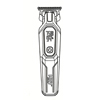
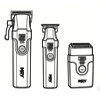
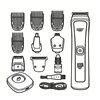
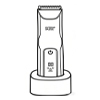
Zhejiang Yongkang MRY Industry & Trade Co., Ltd. (Old Named: Yongkang Wonderful Electric Appliance Factory) was established in 2001. We are located in the center of China, Yongkang City of Zhejiang Province.
Covering an area of more than 20,000 square meters. We own more than 120 staff members, including professional designers, senior engineers, technicians, and experienced workers. As a wholesale Electric Clippers & Trimmers factory, We specialize in a variety of Beauty Hairdressing appliances & personal care products, mainly professional hair clippers, rechargeable clippers, Pet grooming kits, mini hair trimmers, and electric foot pedicure, owning a great number of advanced equipment.
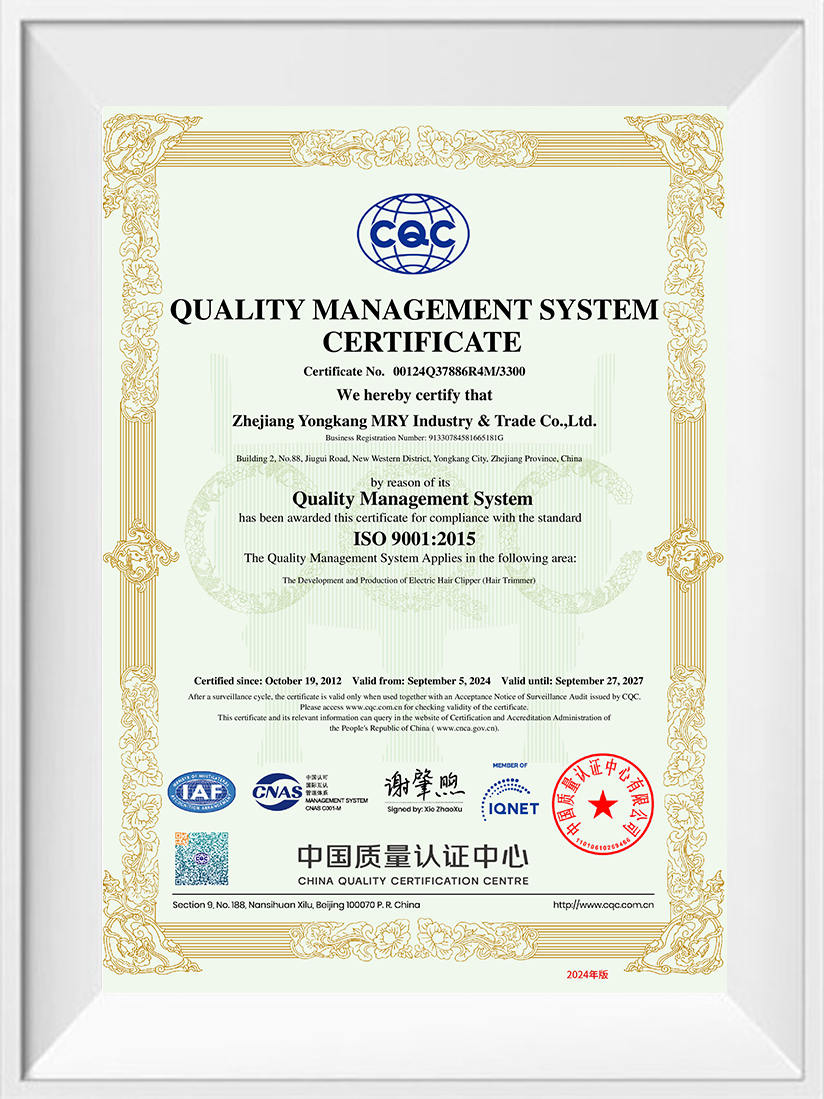
Our company has an equipped development lab, a strict implementation of the ISO 9001 quality system, and we have a good team of dedicated staff members, powerful capability of technology, high quality Electric Clippers & Trimmers at a very competitive pricing level.
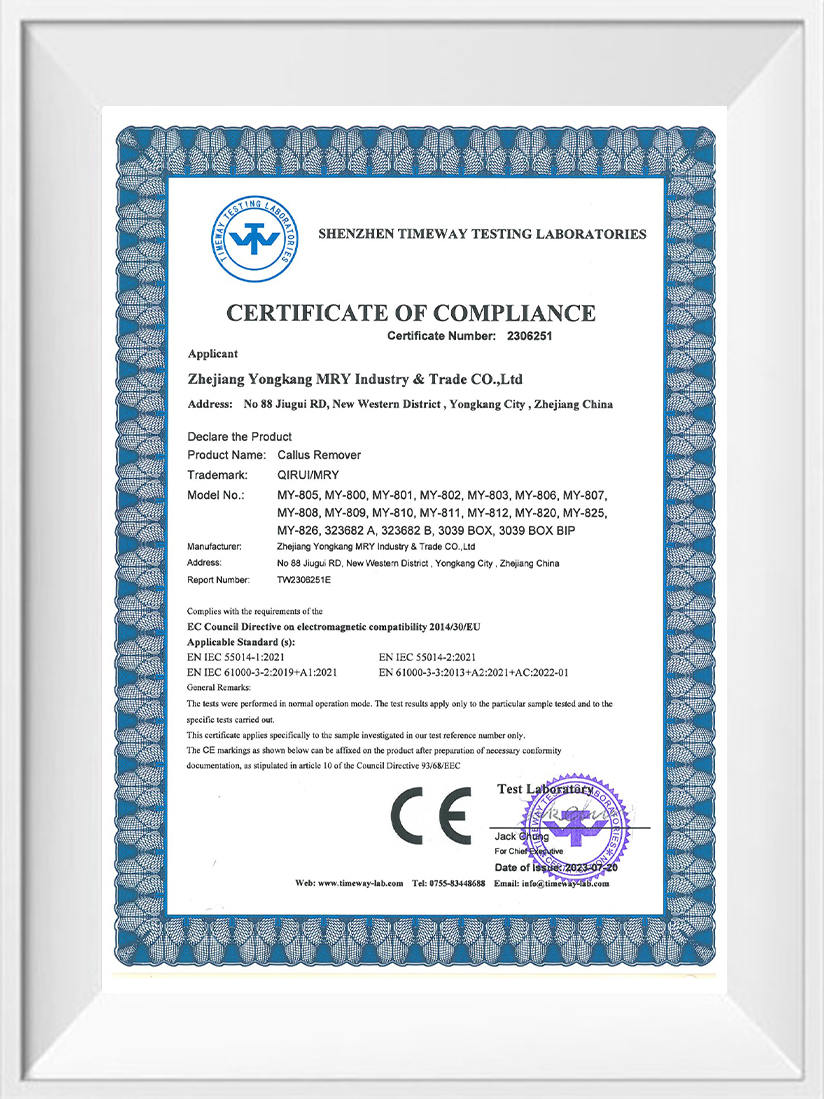
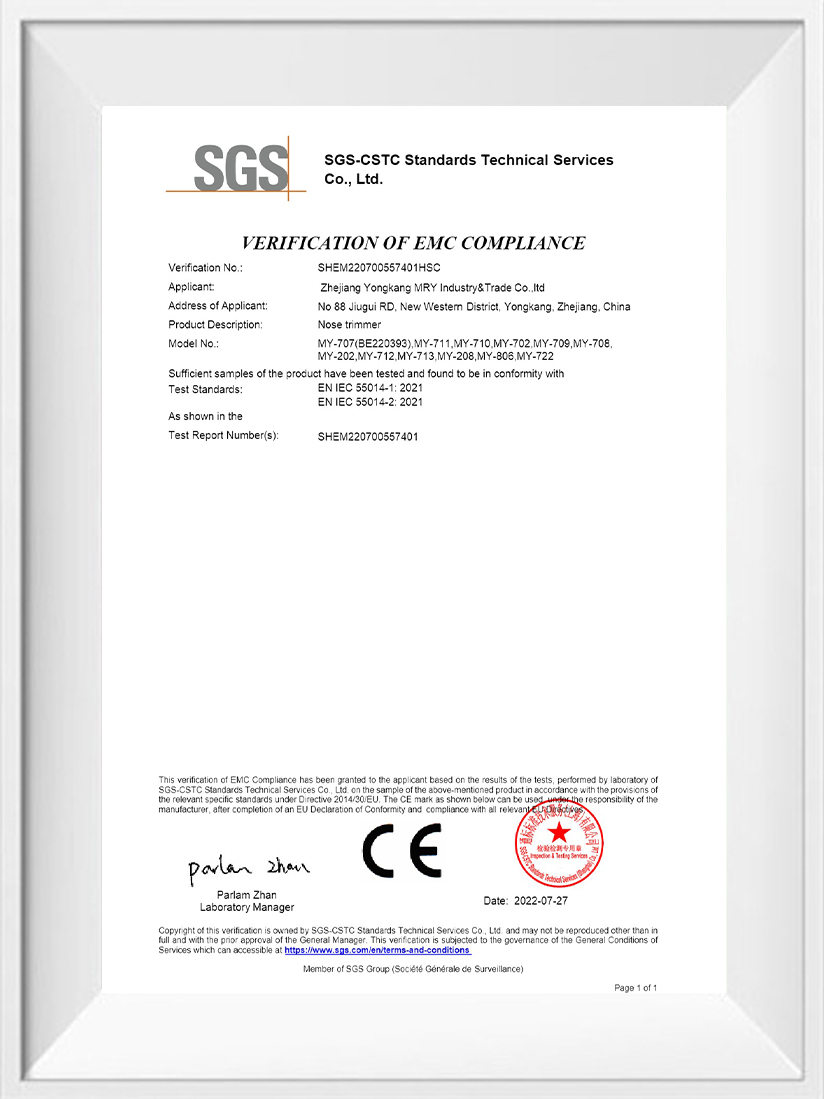
We guarantee that every model meets the internationally recognized CE, ROHS, GS, SAA, INMETRO and SONCAP quality standards. At the same time, we have also designed and developed our own brands in response to customer feedback, e.g., "QIRUI","MRY". Our main export markets are Europe, North America, South America, the Middle East and other regions. We MRY are resolved to be together with customers to forge ahead into the future all over the world!
-
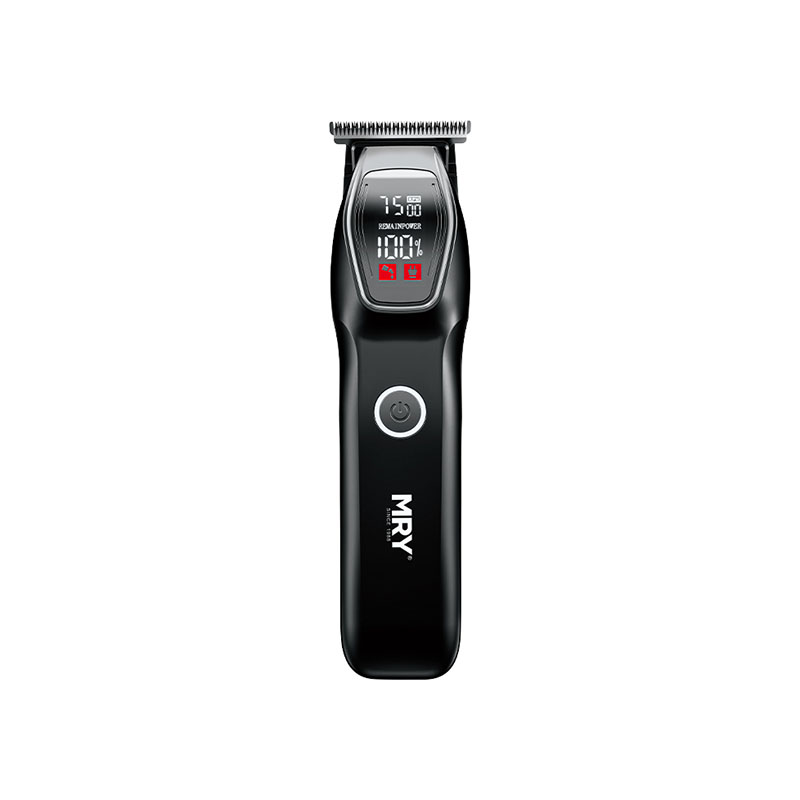
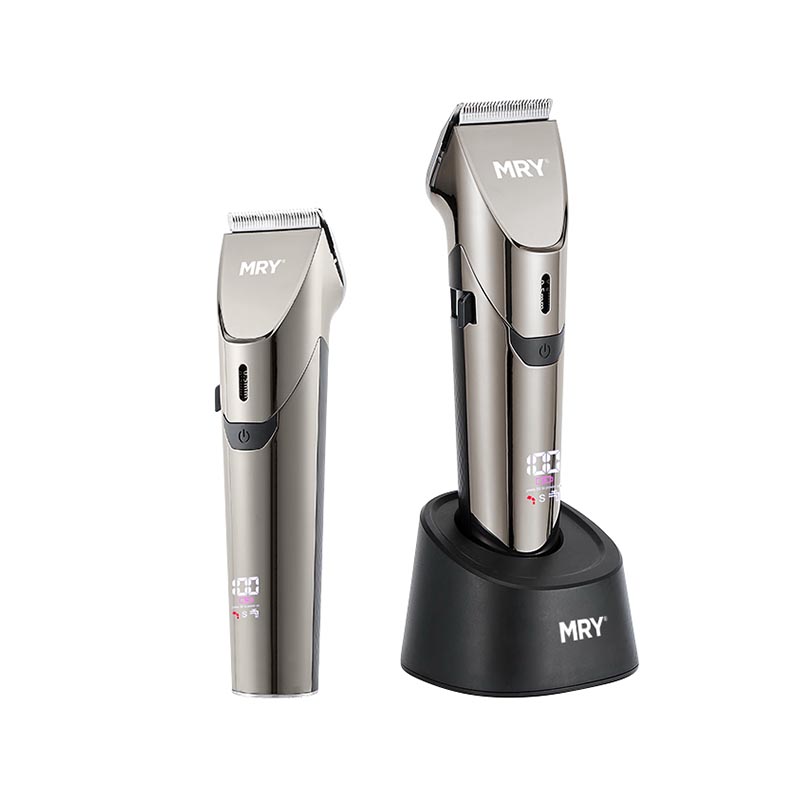
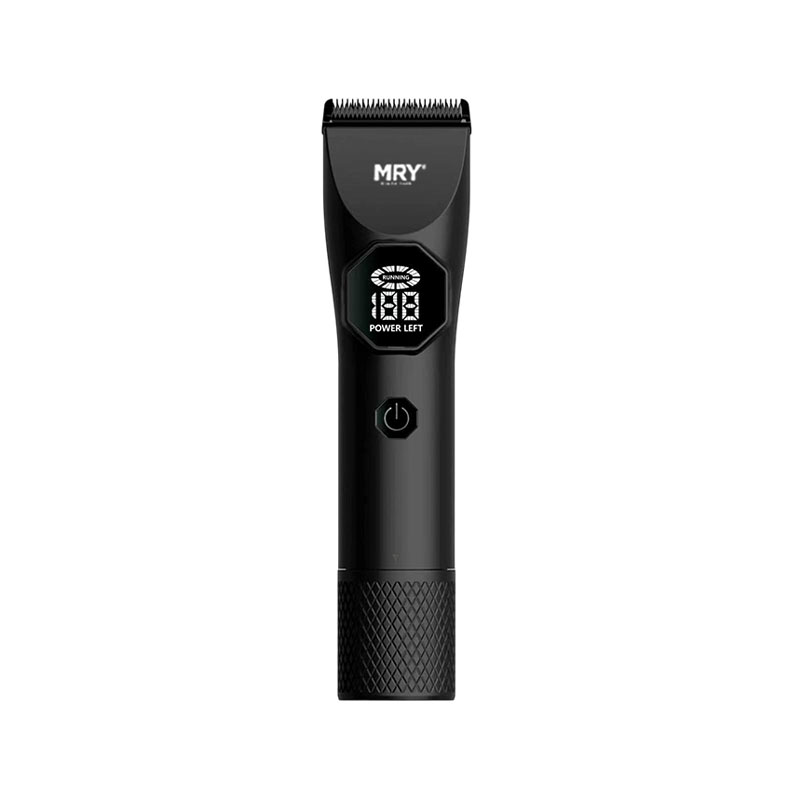
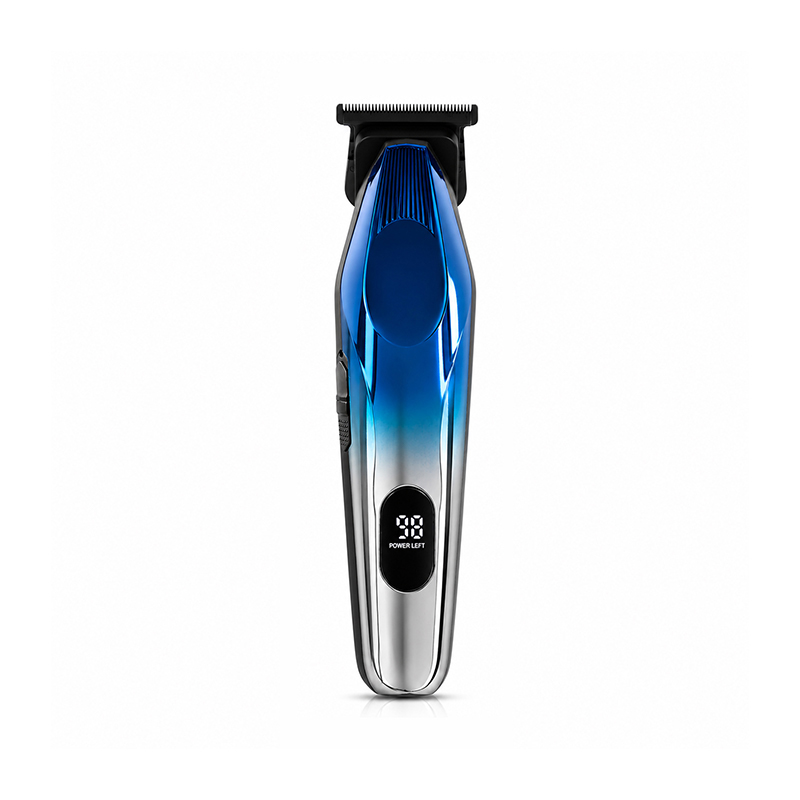 MR-8158 High-Performance Professional Hair Trimmer
MR-8158
The MR-8158 is a high-performance, commercial-grade electric hair trimmer. Key features include a hi... -
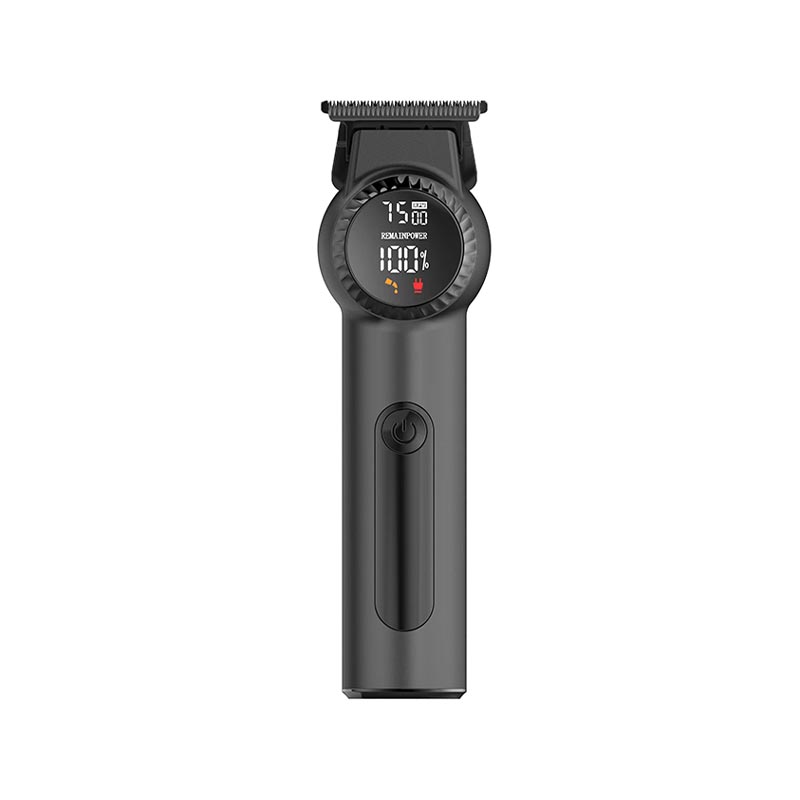
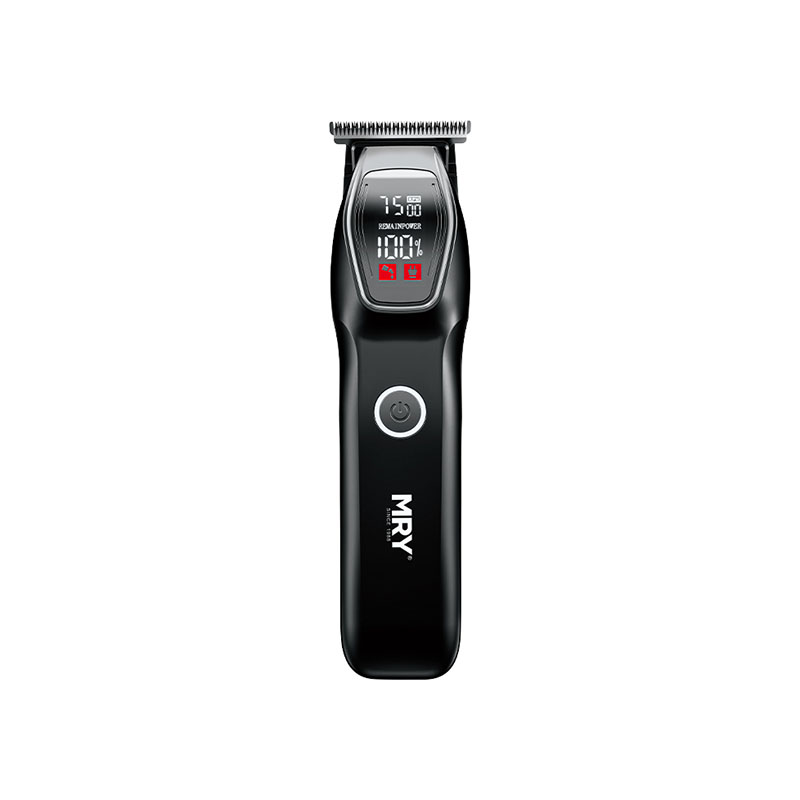 MR-2025 Compact yet high-capacity home Hair Trimmer
MR-2025
This MR-2025 Compact yet high-capacity home hair trimmer features an R-shaped rounded corner design,... -
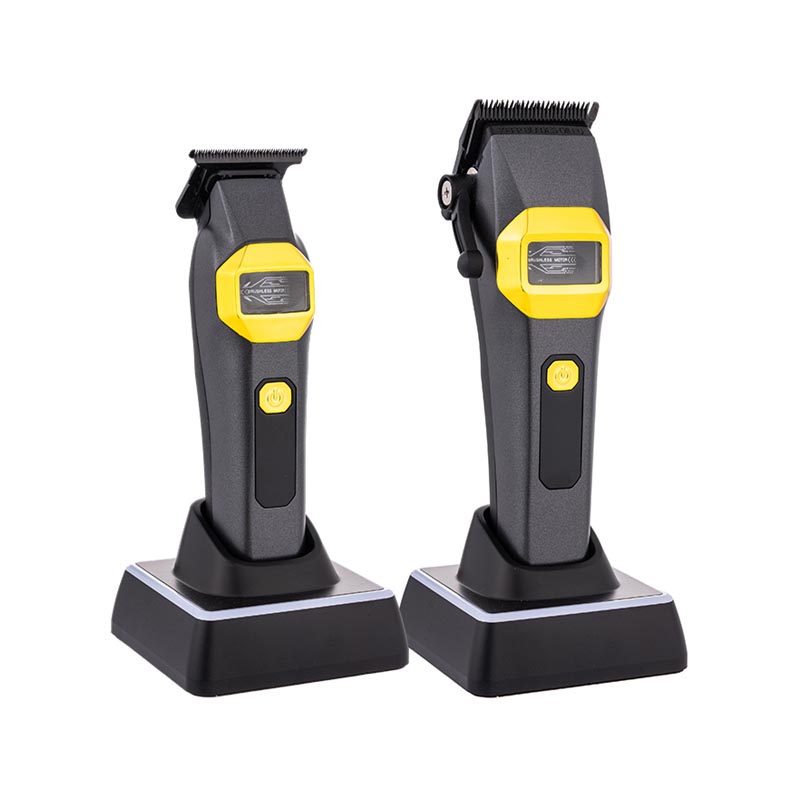
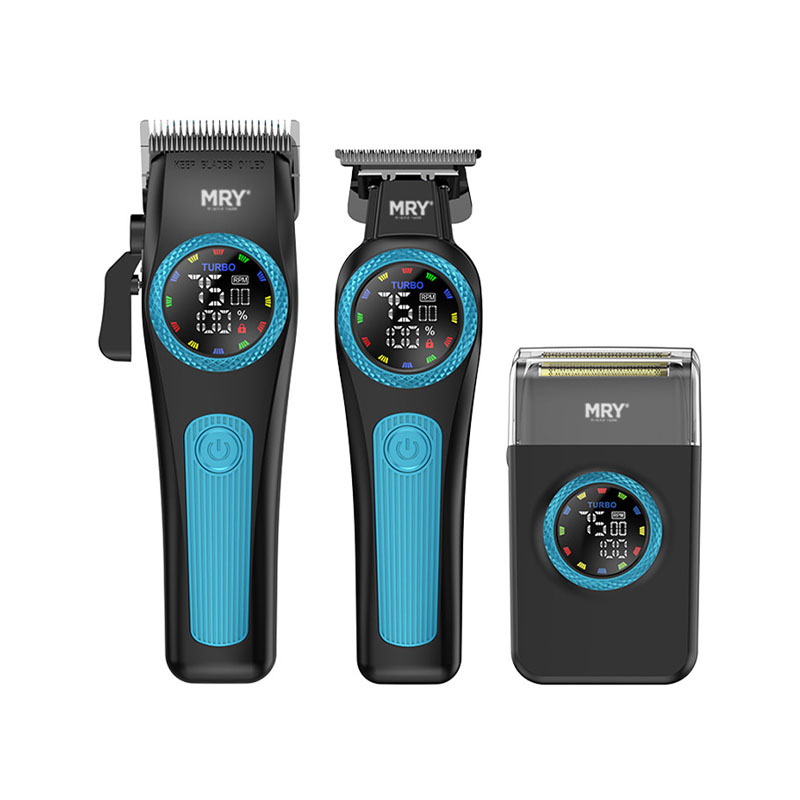
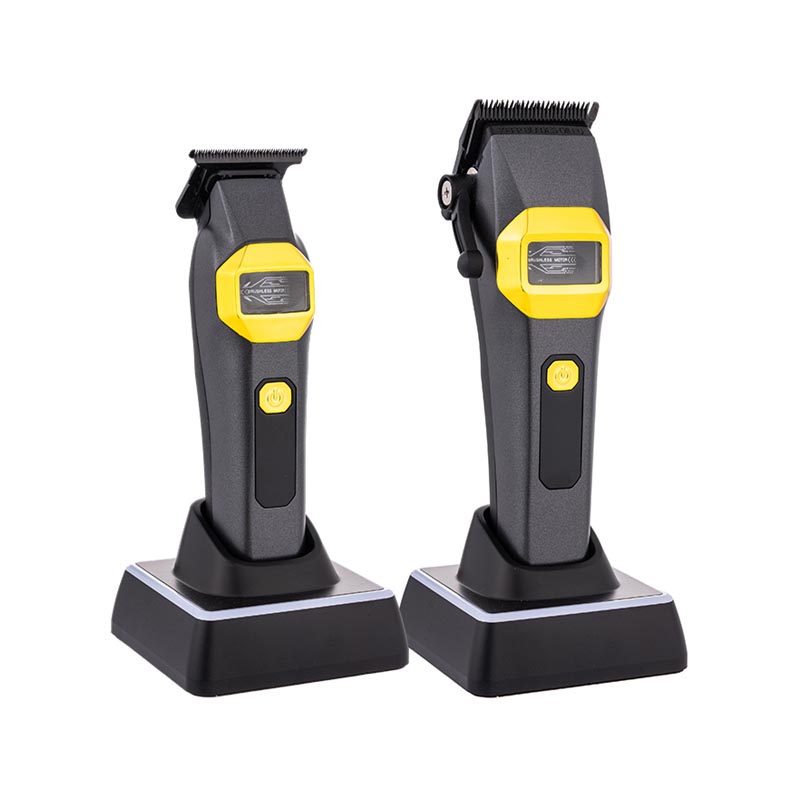 MR-916 2-in-1 Set: Large hair clippers and detail trimmersThe MR-916 is a 2-in-1 electric hair clipper kit designed for professional grooming scenarios. It co...
 -
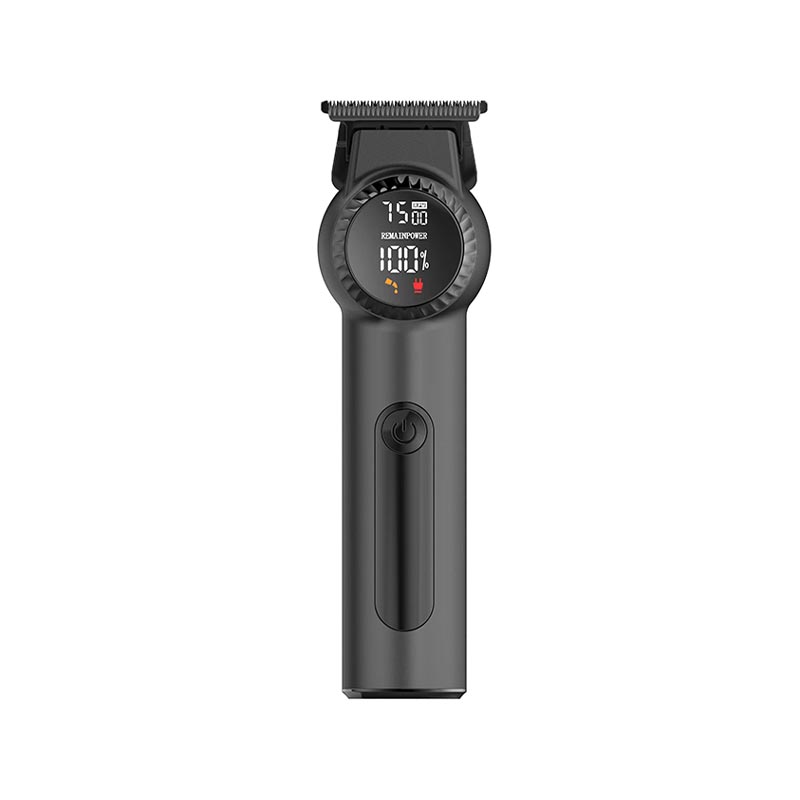 MR-8162 High-end durable professional hair trimmerThe MR-8162 high-end, durable professional hair trimmer feature a zinc-plated housing, a steel fixed...
 -
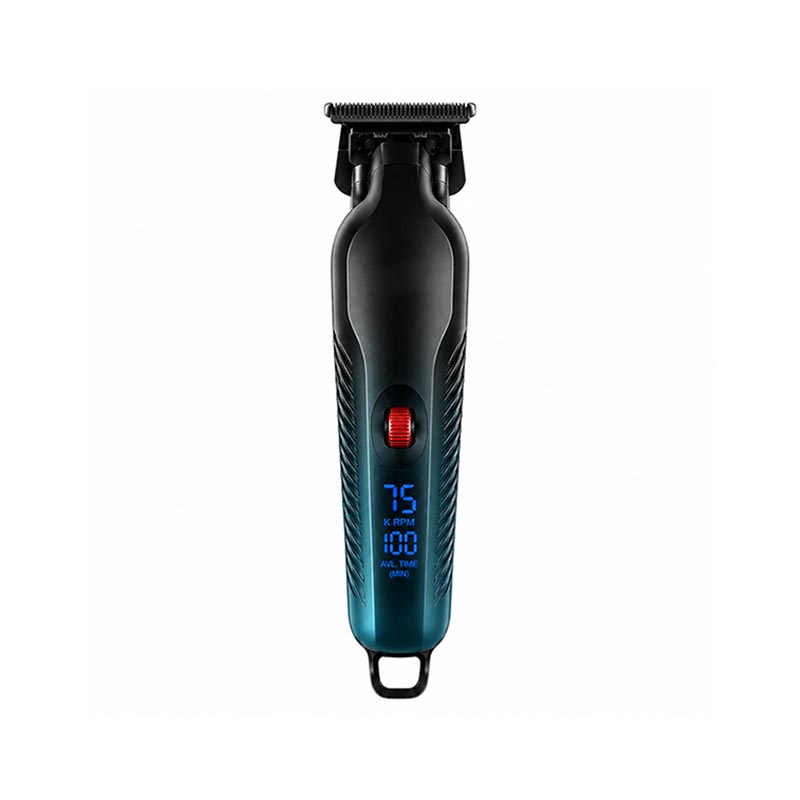 MR-8165 Professional hair clippersThe MR-8165 Professional Hair Clippers are professional rechargeable hair clippers designed for barb...
 -
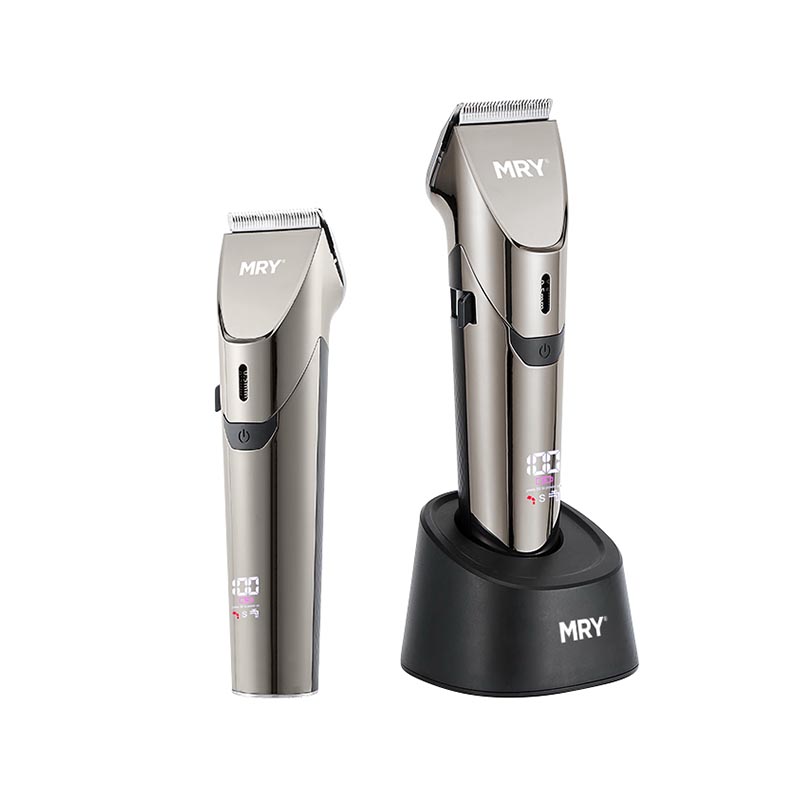 MR-8101 Easy-to-use and long-lasting hair clipperThe MR-8101 is an easy-to-use and durable rechargeable hair clipper that cleverly integrates adjusta...
 -
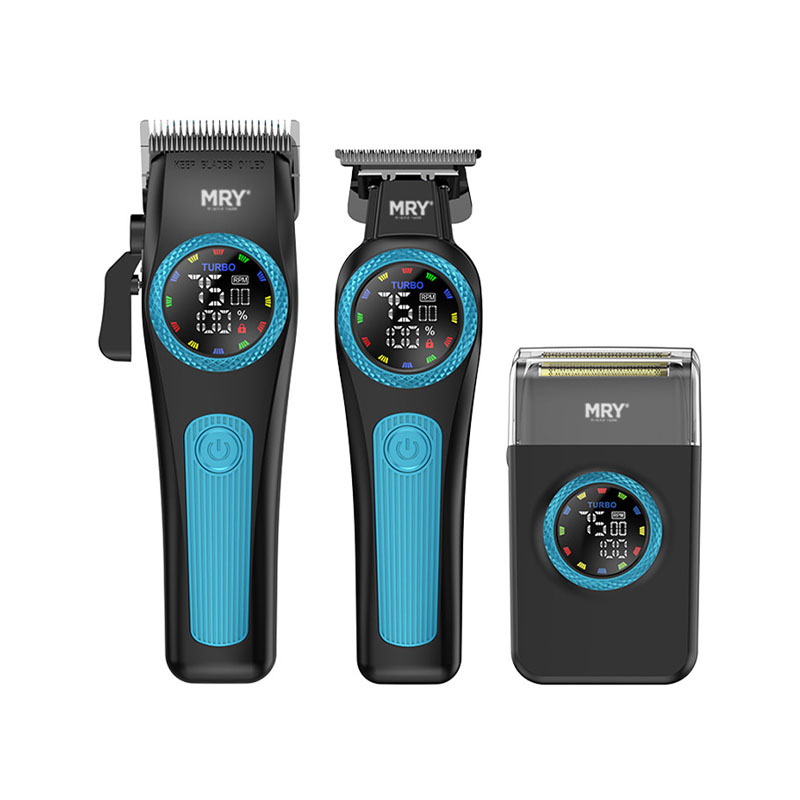 MR-956 3-in-1 Professional Haircutting KitThe MR-956 3-in-1 Professional Haircutting Kit is a professional grooming kit that combines hair cli...
 -
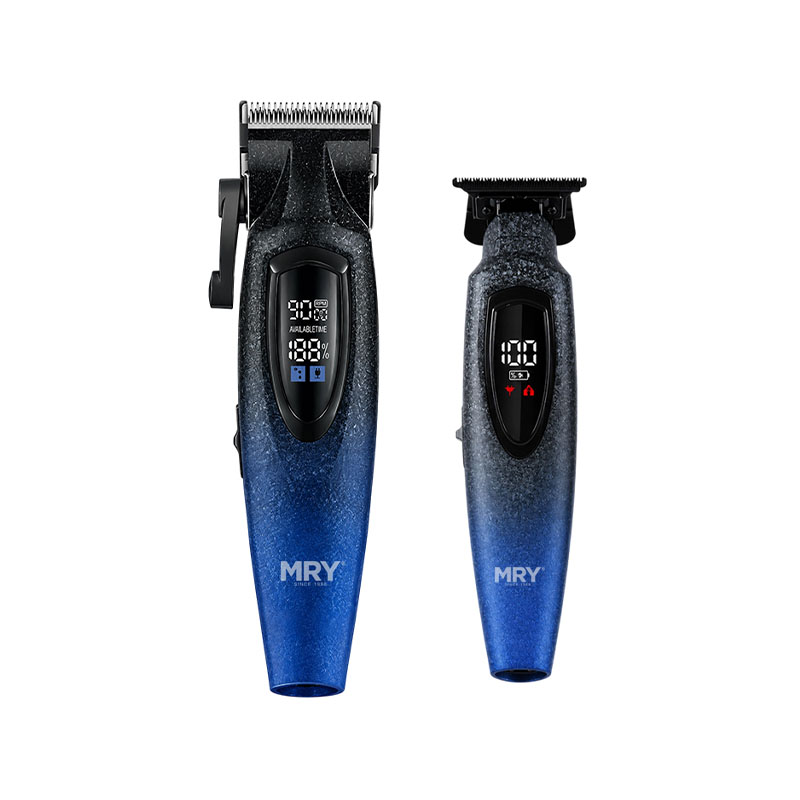
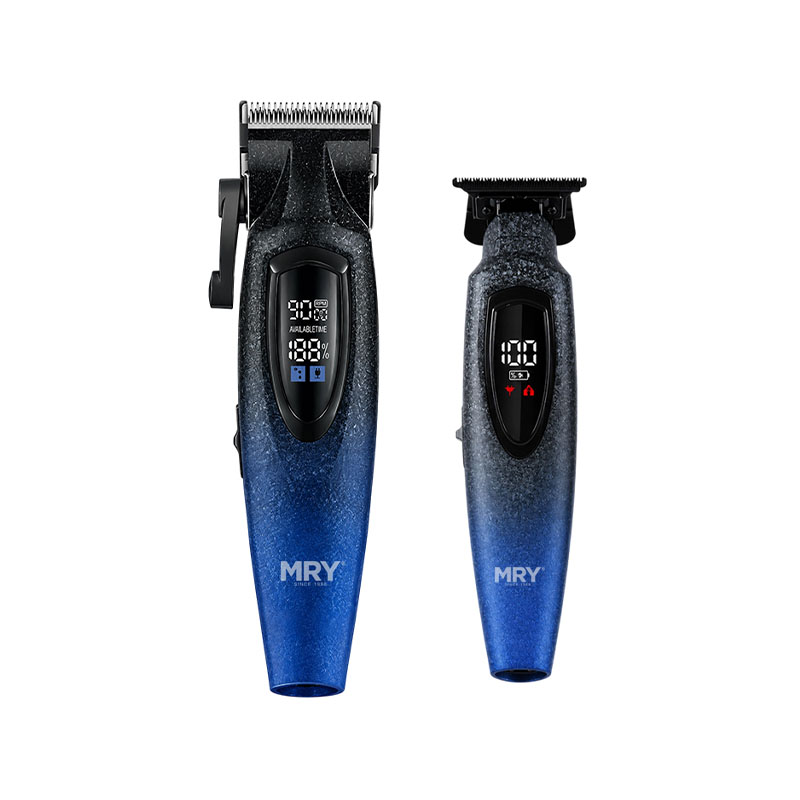 MR-966 Professional Hairdresser KitThe MR-966 Professional Hairdresser Kit is a two-tool grooming device set designed for the professio...
 -
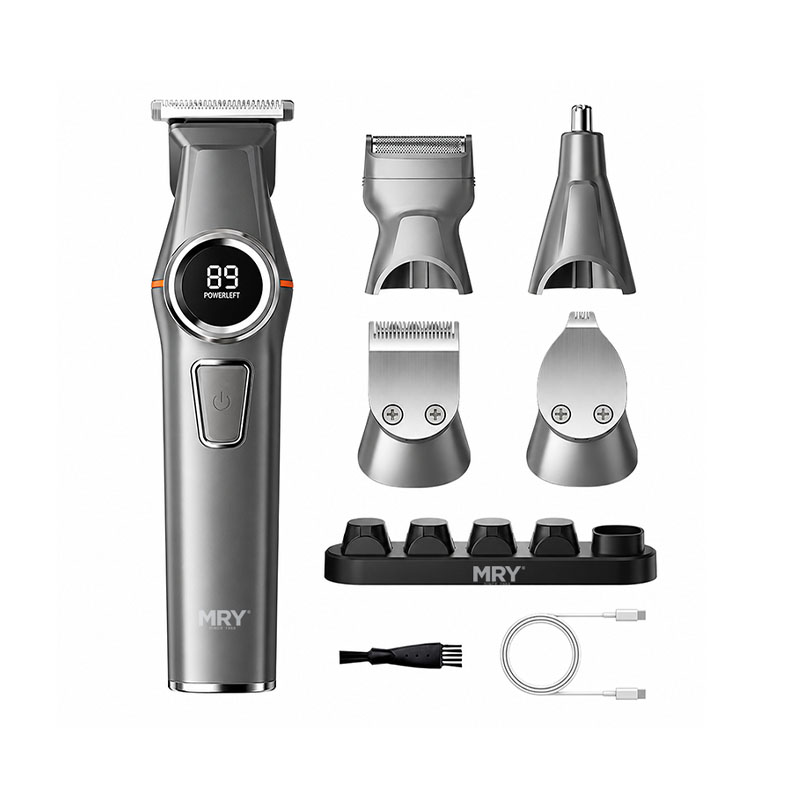
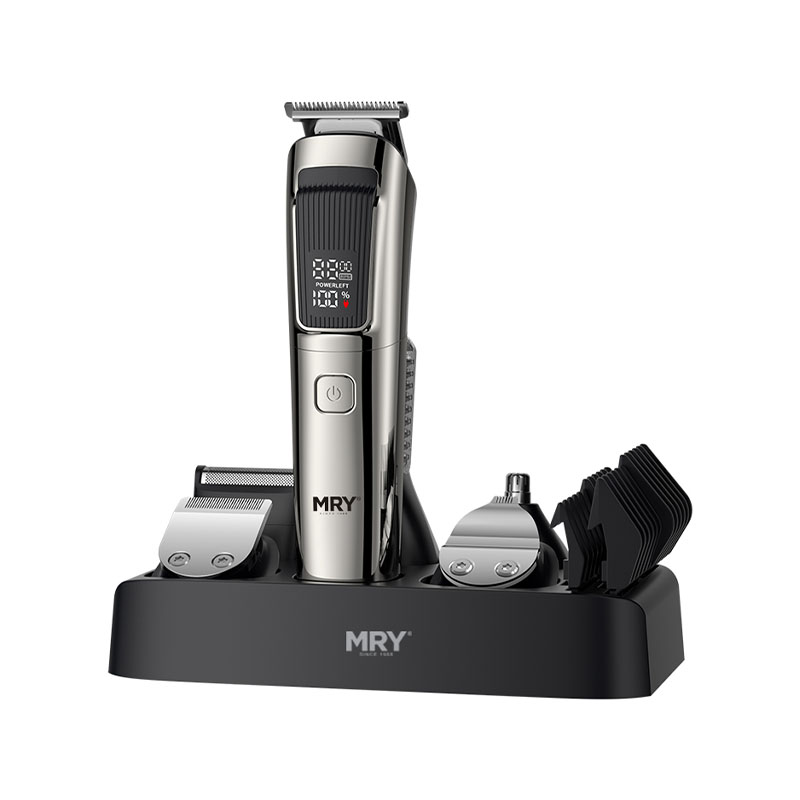
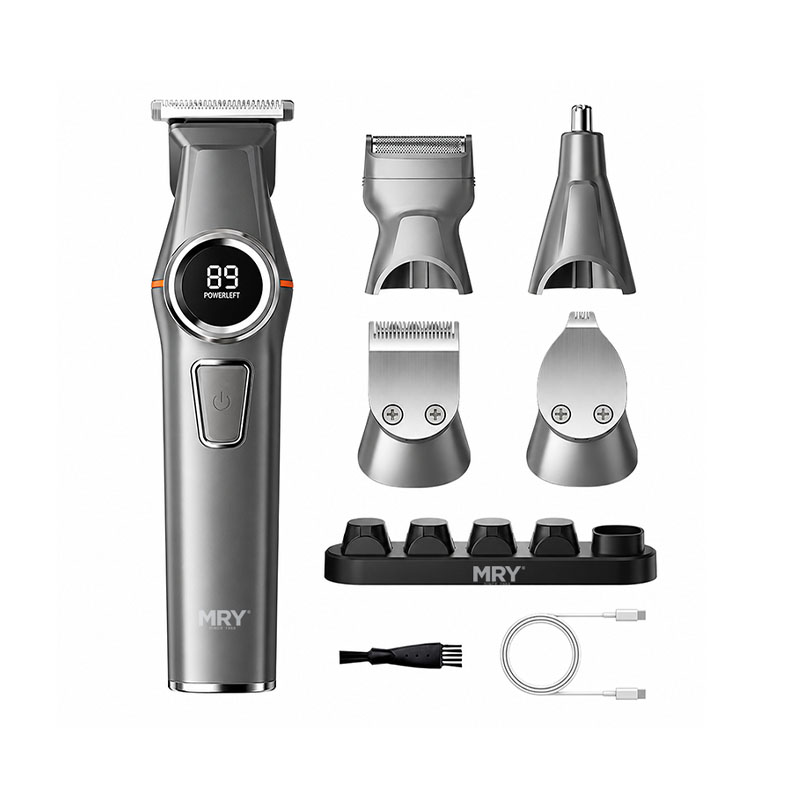 MR-6019 5-in-1 Men's Grooming KitThe MR-6019 5-in-1 Men's Grooming Kit is a multi-functional grooming device for the men's personal c...
 -
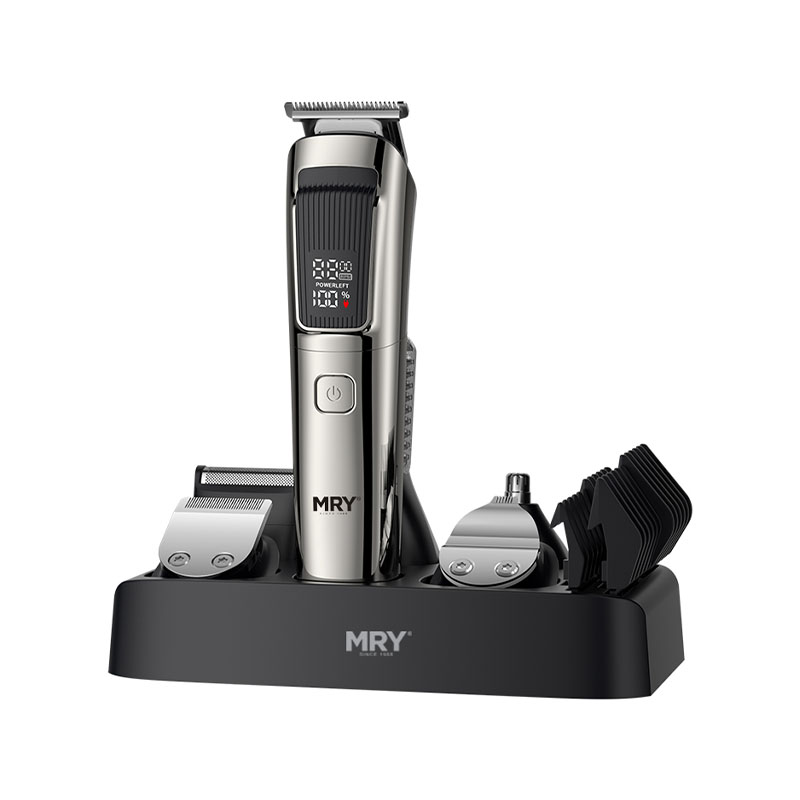 MR-6027 6-in-1 Multi-functional Grooming KitThe MR-6027 6-in-1 Multi-functional Grooming Kit is a versatile personal grooming device that can me...
 -
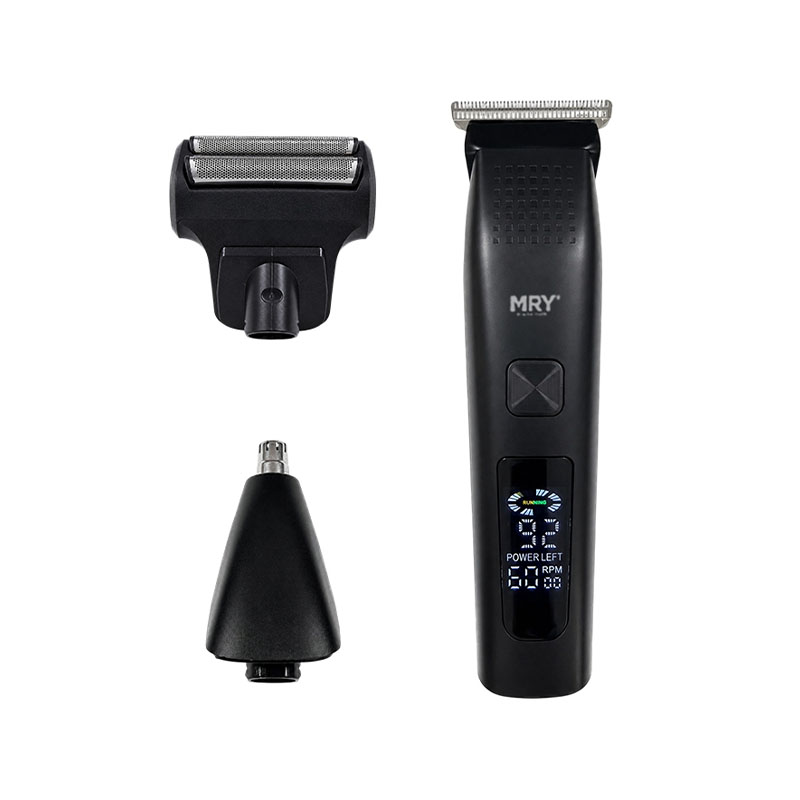
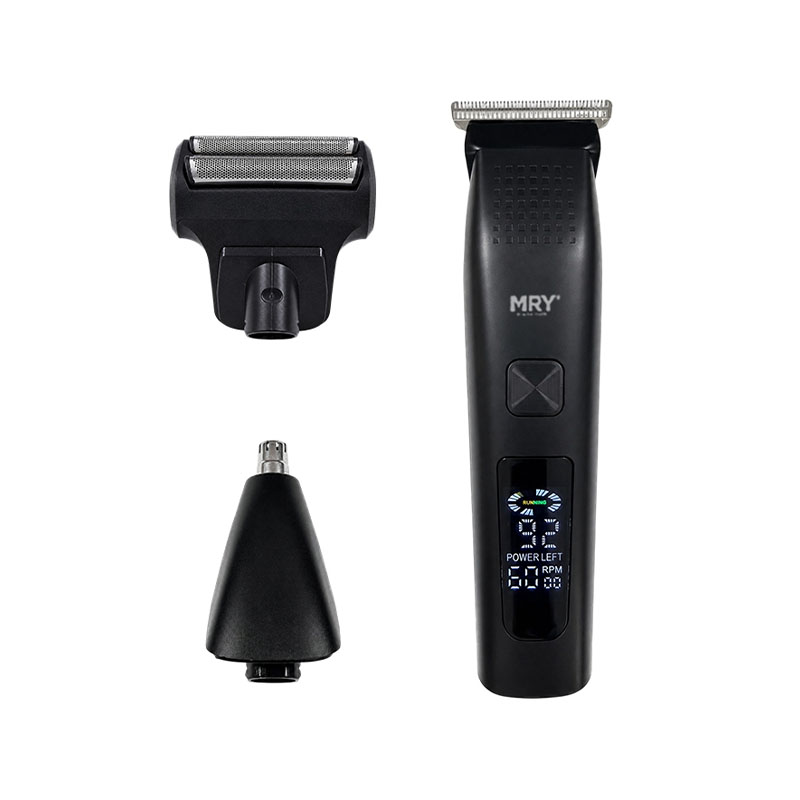 MR-8161 3-in-1 Professional Grooming KitThe MR-8161 3-in-1 Professional Grooming Kit is a multi-functional personal care device that integra...
 -
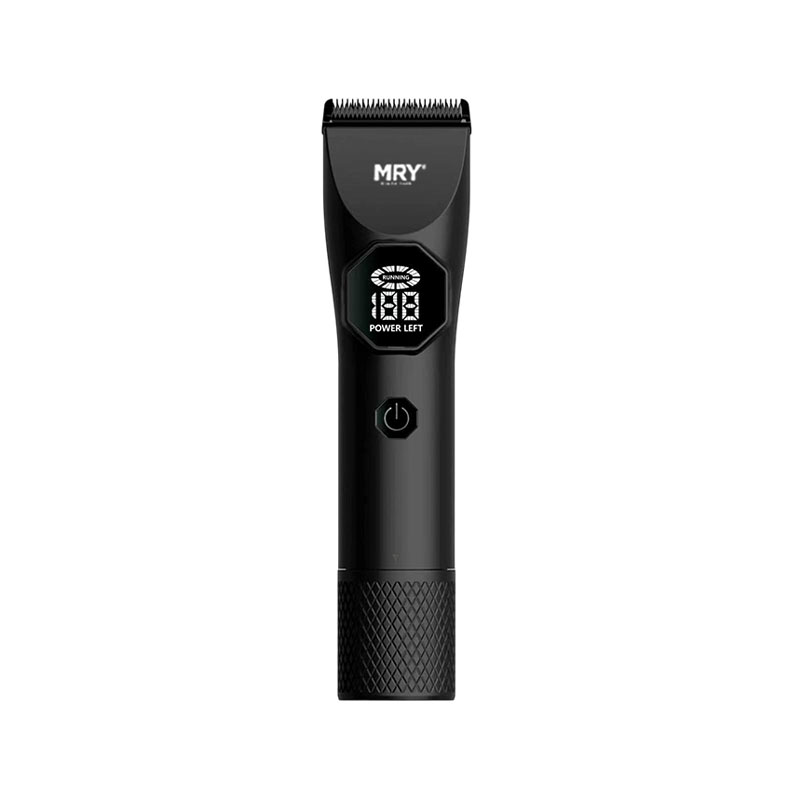 MR-8166 5-Level Adjustable Professional Hair TrimmersThe MR-8166 5-Level Adjustable Professional Hair Trimmer is a professional electric Trimmer with mul...