Hair Clippers Built for Every Cut — From Home Trims to Barbershop Finishes
What Should You Look for in a Hair Clipper?
A hair clipper is only as good as the combination of its motor, blades, and build. These three elements work together to determine whether your cut comes out clean and even — or uneven and frustrating.
Motor type shapes the entire cutting experience:
| Motor Type |
Power Level |
Best For |
| Magnetic |
High speed |
Light, everyday cuts |
| Pivot |
High torque |
Thick and coarse hair |
| Rotary |
Power + quiet |
All hair types, extended use |
Blade material matters just as much. Stainless steel blades offer reliable sharpness and easy maintenance. Titanium-coated blades stay harder for longer. Ceramic blades run cooler during extended sessions — a practical advantage for anyone cutting multiple people in one go.
Guide combs control length: guards range from #1 (around 3mm) to #8 (25mm), giving you full control over how much hair stays or goes. Always check that replacement guards are readily available before committing to a clipper.
Corded or Cordless — Which Clipper Actually Suits Your Needs?
Both have a clear place depending on how and where you cut.
Corded clippers deliver uninterrupted power regardless of session length. There's no battery to manage, no mid-cut slowdown, and no need to plan around a charge cycle. For longer sessions or heavy daily use, corded models remain a dependable foundation.
Cordless clippers offer freedom of movement — no cord to navigate around a client's head, no outlet to hunt for, and the flexibility to cut wherever is most comfortable. The key specs to check:
- Runtime: Look for lithium-ion batteries delivering 90–120 minutes per charge
- Motor consistency: Quality cordless clippers maintain blade speed throughout the charge, not just at full battery
- Charging time: Faster charge cycles (under 2 hours) reduce downtime between sessions
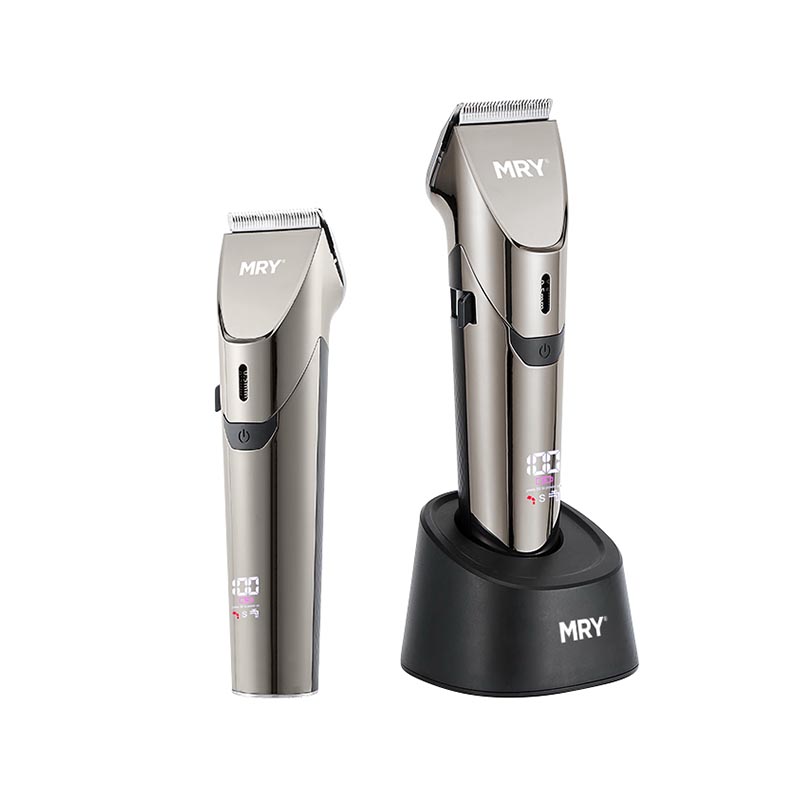
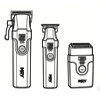
MRY's hair clipper range covers both corded and cordless formats — built for real cutting demands, not just shelf appeal.
The shift to cordless has become standard for a reason. Without a cord, movement around the head is freer, fade work becomes easier to execute, and the overall session feels less restricted. Modern lithium-ion batteries have closed the performance gap with corded models significantly — a well-built cordless clipper now handles thick, dense hair through a full session without losing cutting power.
Look for these details when comparing cordless models:
- Hybrid capability — can it run corded while charging? This prevents dead-battery interruptions during busy periods
- Indicator display — a clear battery level readout removes guesswork before every session
- Weight and grip — 300–450g is a practical range for extended cordless use without hand fatigue
A rechargeable clipper is only as reliable as the care it receives between uses. A few habits that extend both blade life and battery health significantly:
After every use: brush out trapped hair from the blade before it builds up and creates friction.
Every few uses: apply two to three drops of clipper oil along the blade edge, run the motor for ten seconds to distribute it evenly. This single step reduces heat, extends blade sharpness, and keeps cuts smooth.
Battery care: lithium-ion cells perform better when kept between 20–80% charge rather than run to zero or charged to full every cycle. Avoid storing the clipper in humid spaces — moisture and steel blades are a poor combination.
When to replace blades: if the clipper leaves track lines, snags hair, or requires noticeably more passes than usual, the blade is past its effective life. Continuing past this point puts extra strain on the motor.
MRY's rechargeable hair clippers are designed to make this upkeep straightforward — with accessible blade systems, intuitive charging, and motors built to handle consistent daily use without compromise.


 Español
 русский
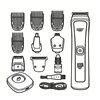
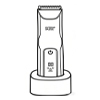
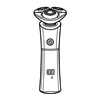
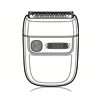
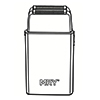
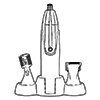
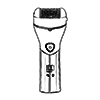
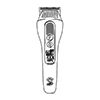
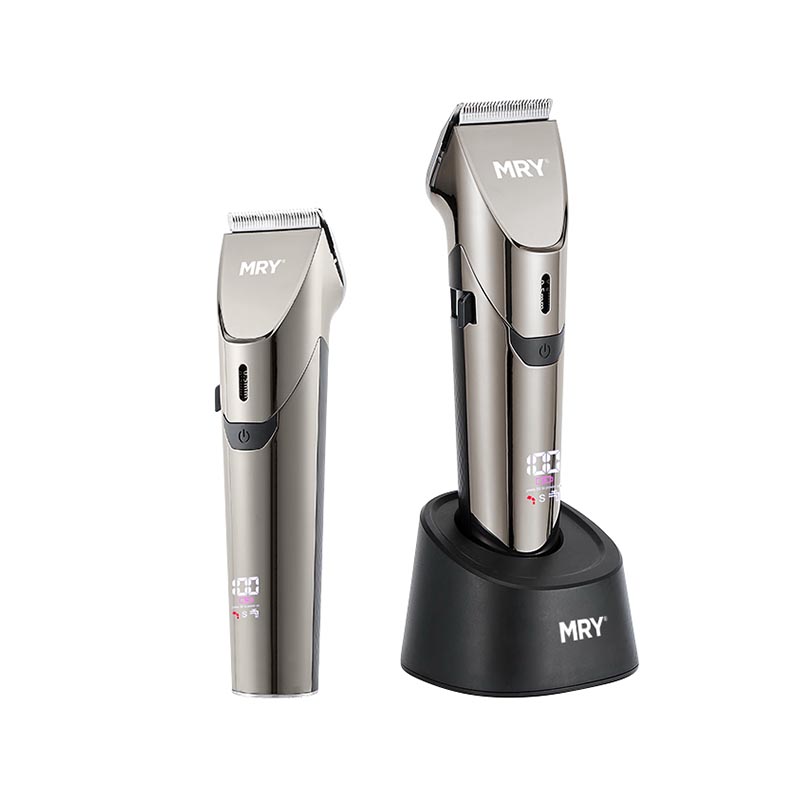 MR-8101 Easy-to-use and long-lasting hair clipperThe MR-8101 is an easy-to-use and durable rechargeable hair clipper that cleverly integrates adjusta...