Español
 русский
-
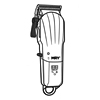
MRY Hair Clipper
-
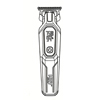
MRY Hair Trimmer
-
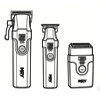
MRY Clipper Set
-
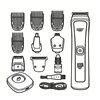
MRY Grooming Kit
-
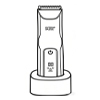
MRY Body Trimmer
-
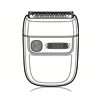
MRY Rotary Shaver

-
Travel & Mini Electric Shavers
-
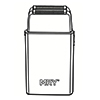
MRY Foil Shaver
-
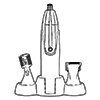
MRY Nose Trimmer
-
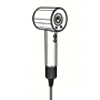
MRY Hair Dryer
-
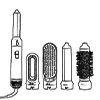
Hot Air Brush
-
MRY Hair Curler
-
MRY Hair Straightener
-
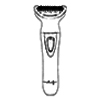
MRY Lady Shaver
-
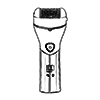
MRY Electric Callus Remover
-
MRY Electric Manicure Kit
-
MRY Ultrasonic Cleaning Machine

-
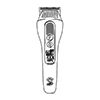
MRY Pet Clipper
-
MRY Pet Hair Dryer
-
MRY Potable Fan

-
Electric Lint Remover
-
Other Personal Care Supplies

What Consumers Really Want Today: A Closer Look at Foot Care, Hair Clipping, and Body Grooming Trends
The personal care appliance market is entering a new phase—one defined not just by product performance, but by how well devices integrate into everyday routines. Across online discussions, user feedback, and purchasing behavior, a clear pattern is emerging: consumers are no longer satisfied with single-purpose tools. Instead, they are actively seeking smarter, more adaptable grooming solutions.
Within this shift, three product categories have drawn particular attention: Rechargeable Foot Callus Removers, Professional Barber Clippers, and Compact Body Trimmers. Each of these reflects a different aspect of modern grooming expectations, yet all are connected by a shared demand for convenience, control, and comfort.
MRY has been tracking these evolving preferences, identifying not only what users are buying—but why they are choosing certain features over others.
From Occasional Care to Daily Routine: The Transformation of Foot Grooming
Foot care, once considered occasional maintenance, is now becoming part of regular personal grooming. This shift is closely tied to changing lifestyle habits, where self-care is increasingly integrated into daily routines.
One noticeable trend is the growing preference for rechargeable foot callus removers over traditional manual tools. The reason is not purely about efficiency—it is about reducing effort while maintaining consistency.
Users frequently highlight a few recurring expectations:
- Devices should feel controlled rather than aggressive
- The process should be quick enough to fit into daily schedules
- Cleaning and maintenance should require minimal extra steps
Interestingly, many users are not necessarily looking for the fastest results. Instead, they value a tool that allows gradual, manageable care. This reflects a broader mindset shift: grooming is no longer about quick fixes, but about sustainable routines.
Another emerging focus is portability. Consumers increasingly expect even foot care devices to be compact enough for travel, signaling that grooming habits are no longer location-dependent.
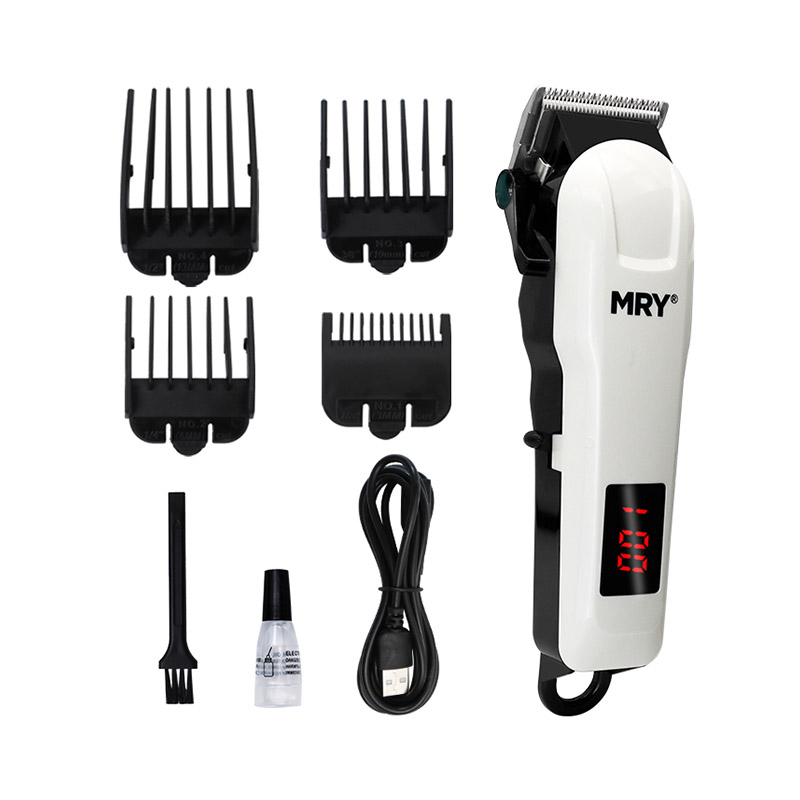
Precision as a Priority: The New Expectations for Hair Clippers
Hair clippers have undergone a quiet transformation. What was once considered a professional-only tool is now widely used in home environments. However, as more users adopt these devices, their expectations are becoming more refined.
The conversation is no longer about whether a clipper works—it is about how well it performs under different conditions.
A recurring theme among users is precision control. This includes:
- Smooth transitions between different cutting lengths
- Clean, defined edges without repeated passes
- Stable cutting performance across varying hair textures
Professional barber clippers are now being evaluated through a more critical lens. Users are paying attention to details that were previously overlooked, such as vibration levels and grip stability.
Battery performance is another area receiving increased attention. Rather than simply asking whether a device is cordless, consumers are now asking:
- How consistent is the power output over time?
- Does performance change as the battery level drops?
- Is charging convenient in different environments?
This shift indicates that cordless functionality is no longer a bonus—it is an expectation. What differentiates products now is the quality of that cordless experience.
MRY has observed that reliability, rather than raw power, is becoming the deciding factor in many purchasing decisions.
Body Grooming Goes Mainstream: The Rise of Compact Trimmers
Body grooming is expanding beyond niche usage and becoming part of everyday care for a broader audience. This change is influencing how compact body trimmers are designed and evaluated.
One of the most noticeable trends is the demand for discreet functionality. Users want tools that are effective but also subtle in both design and operation.
This includes:
- Smaller form factors that are easy to store
- Designs that feel personal rather than industrial
- Lower noise levels for more private use
Another key focus is versatility. Consumers increasingly prefer a single device that can handle multiple grooming tasks, rather than maintaining several specialized tools.
However, versatility alone is not enough. Users are also paying close attention to comfort during use, especially for sensitive areas. This has led to increased interest in:
- Blade designs that reduce direct skin friction
- Protective attachments that improve control
- Consistent trimming without sudden pulling or interruptions
The expectation is clear: body grooming tools should feel as intuitive and comfortable as possible.
A Shift in Decision-Making: What Influences Buyers Today?
Beyond individual product features, there is a larger shift happening in how consumers evaluate grooming tools.
1. Experience Over Specifications
Technical specifications still matter, but they are no longer the primary focus. Users are more interested in how a product performs in real-life scenarios.
2. Consistency Over Peak Performance
Rather than looking for maximum power or speed, many consumers prefer tools that deliver stable, predictable results every time.
3. Simplicity Over Complexity
Products that are easy to understand and operate tend to gain more attention. Complicated features without clear benefits are often overlooked.
4. Portability as a Standard
Portability is no longer limited to travel-specific products. Even devices traditionally used at home are now expected to be compact and easy to store.
How MRY Aligns with These Trends
As consumer expectations continue to evolve, MRY is focusing on refining product design in ways that reflect real usage patterns.
Instead of emphasizing isolated features, MRY approaches development from a broader perspective—considering how each product fits into a user’s daily routine.
This includes:
- Designing tools that are easy to handle and maintain
- Ensuring stable performance across different usage scenarios
- Optimizing size and weight for greater flexibility
- Improving charging convenience to match modern lifestyles
By aligning product development with observed consumer behavior, MRY aims to create grooming solutions that feel natural and practical, rather than overly complex.
Looking Ahead: The Future of Personal Grooming Tools
The next stage of development in personal care appliances is likely to focus on refinement rather than reinvention. Instead of introducing entirely new categories, manufacturers are expected to enhance existing products in subtle but meaningful ways.
Areas of potential development include:
- More responsive control systems that adapt to user input
- Improved material choices for better comfort and durability
- Continued reduction in size without sacrificing functionality
- Enhanced battery efficiency for longer, more stable use
At the same time, consumer awareness will continue to grow. Users are becoming more informed and selective, placing greater value on products that offer a balanced combination of performance, comfort, and convenience.
The increasing attention on Rechargeable Foot Callus Removers, Professional Barber Clippers, and Compact Body Trimmers highlights a broader transformation in personal grooming.
Consumers today are not simply looking for tools—they are looking for solutions that integrate seamlessly into their routines. The focus has shifted toward usability, adaptability, and overall experience.
By closely observing these changes, MRY continues to adapt its approach, ensuring that its products remain aligned with real-world expectations. As the market evolves, the ability to understand and respond to user needs will remain a key factor in shaping the future of grooming technology.

[email protected]
[email protected]
+86-15167911707
+86-18257873768
Building 2, No.88 Jiugui Road, Chengxi New District, Yougkang City, Zhejiang, China
Copyright © Zhejiang Yongkang MRY Industry & Trade Co., Ltd. All Rights Reserved.
Hair Curler For Home Use Factory