Español
 русский
-
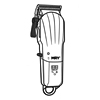
MRY Hair Clipper
-
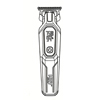
MRY Hair Trimmer
-
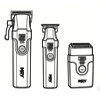
MRY Clipper Set
-
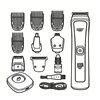
MRY Grooming Kit
-
MRY Body Trimmer
-
MRY Rotary Shaver
-
Travel & Mini Electric Shavers
-
MRY Foil Shaver
-
MRY Nose Trimmer
-
MRY Hair Dryer
-
Hot Air Brush
-
MRY Hair Curler
-
MRY Hair Straightener
-
MRY Lady Shaver
-
MRY Electric Callus Remover
-
MRY Electric Manicure Kit
-
MRY Ultrasonic Cleaning Machine
-
MRY Pet Clipper
-
MRY Pet Hair Dryer
-
MRY Potable Fan
-
Electric Lint Remover
-
Other Personal Care Supplies

The Smart Temperature Control Every Hair Dryer Brush Needs
Consumers are paying closer attention to hair care during daily styling routines. As heated styling tools continue evolving, the Hair Dryer Brush has become a popular option for people looking for both convenience and comfort. Along with faster styling, users are now focusing more on temperature control and how heat may affect hair condition over time.
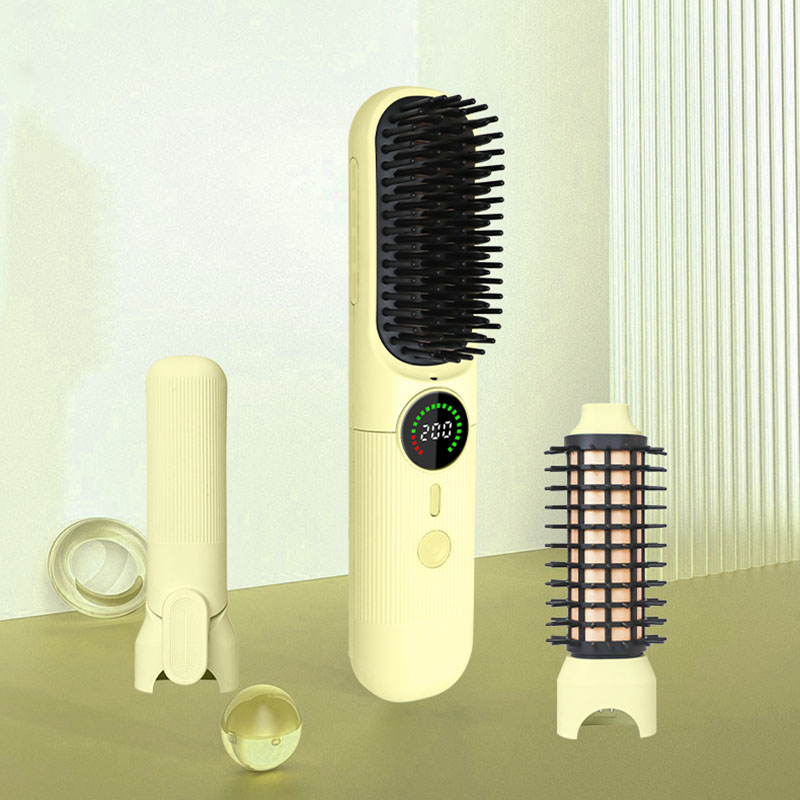
Why Temperature Control Matters
Frequent heat exposure can influence hair texture and appearance. Many users experience dryness, roughness, or split ends after repeated styling sessions with very high temperatures. Because of this, shoppers are increasingly interested in tools that support more balanced heat distribution.
Traditional styling tools often maintain a fixed heat level during use. In comparison, many modern Hair Dryer Brush designs include adjustable settings that allow users to select different temperatures depending on their hair type and styling needs.
This flexibility has become an important factor for consumers who style their hair regularly throughout the week.
The Growing Interest in Smart Heat Features
Smart temperature control is now one of the discussed features in the styling tool market. Many users want tools that can help maintain steady airflow temperatures instead of producing excessive heat during longer styling sessions.
Some Hair Dryer Brush products include sensors or automatic adjustment systems designed to support more consistent performance. These features are often associated with smoother styling and a more comfortable user experience.
Consumers with color-treated, bleached, or fragile hair are especially interested in controlled heat functions because their hair may react more sensitively to strong temperatures.
Different Hair Types Require Different Heat Levels
Hair texture plays a major role in styling preferences. Fine hair users often prefer lower heat settings to help avoid flattening or dryness. Thick or coarse hair users may need stronger airflow, but many still look for tools that distribute heat evenly instead of concentrating it in one area.
Curly and textured hair consumers are also searching for styling tools that reduce frizz while supporting smoother airflow. Adjustable temperature systems allow users to customize the styling process based on their hair condition and desired appearance.
This demand for flexibility has encouraged manufacturers to develop more user-friendly heat management systems.
Comfort Has Become Part of the Styling Experience
Modern consumers are no longer focused only on styling results. Comfort during use is also becoming an important consideration. Excessive heat near the scalp can create discomfort during long styling sessions, especially for users with thick or long hair.
A Hair Dryer Brush with controlled airflow may help create a softer styling experience by reducing sudden heat changes. Cool airflow options are also becoming more common because many users prefer finishing their hairstyle with lower temperatures.
Noise levels, handle design, and overall tool weight are also part of the conversation around comfort-focused styling products.
Daily Styling Habits Still Matter
Even with advanced heat control features, styling habits continue to influence hair condition. Using very high temperatures every day or holding the brush on one section for too long may still place stress on the hair.
Many consumers now combine styling tools with heat protectant sprays, leave-in products, and moisturizing treatments. Towel drying the hair before styling is another commonly recommended habit that may help reduce unnecessary heat exposure.
Users are becoming more aware that balanced styling routines often depend on both the tool itself and the way it is used.
Technology and Hair Care Continue Moving Together
The popularity of Hair Dryer Brush products reflects changing consumer expectations in the beauty market. People are looking for tools that support convenience while also paying attention to scalp comfort and hair condition.
Smart temperature control is gradually becoming a standard feature rather than an optional addition. As styling routines continue evolving, more consumers are expected to prioritize controlled heat, adjustable settings, and comfortable airflow during everyday hair care.

[email protected]
[email protected]
+86-15167911707
+86-18257873768
Building 2, No.88 Jiugui Road, Chengxi New District, Yougkang City, Zhejiang, China
Copyright © Zhejiang Yongkang MRY Industry & Trade Co., Ltd. All Rights Reserved.
Hair Curler For Home Use Factory