Español
 русский

-
MRY Clipper Set
-
MRY Hair Clipper
-
MRY Hair Trimmer
-
MRY Grooming Kit
-
MRY Body Trimmer
-
Bald Head Shavers
-
MRY Rotary Shaver
-
Travel & Mini Electric Shavers
-
MRY Foil Shaver
-
MRY Nose Trimmer
-
MRY Hair Dryer
-
Hot Air Brush
-
MRY Hair Curler
-
MRY Hair Straightener
-
MRY Lady Shaver
-
MRY Electric Callus Remover
-
MRY Electric Manicure Kit
-
MRY Ultrasonic Cleaning Machine
-
MRY Pet Clipper
-
MRY Pet Hair Dryer
-
Pet Electric Cleaning Products
-
MRY Potable Fan
-
Electric Lint Remover
-
Other Personal Care Supplies

Reducing Hair Pulling Problems Through Better Pet Clipper Design
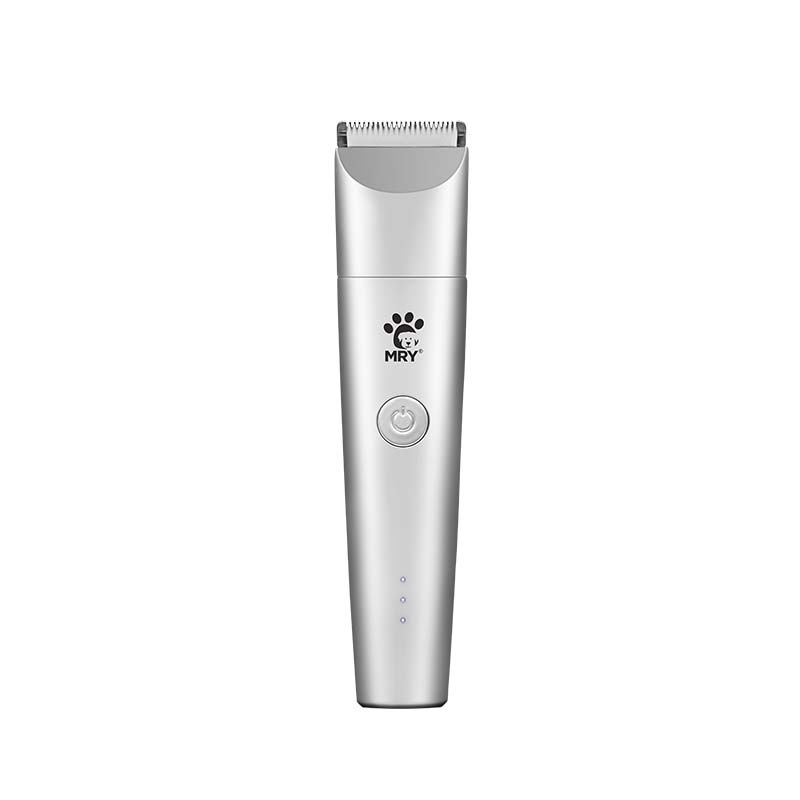
Uneven cutting and hair pulling are common concerns in daily pet grooming. When a clipper struggles with thick coats or tangled hair, animals may become uncomfortable, and groomers often need to repeat the same movement several times. For professional salons, distributors, and pet care equipment wholesalers, these problems can influence product evaluations and customer feedback. When developing Pet Clippers, we believe cutting head design, blade alignment, motor stability, and routine maintenance should work together to deliver a smoother grooming experience.
Blade Alignment Affects Cutting Consistency
The position of the moving and fixed blades directly influences how hair enters the cutting area. Poor alignment may cause uneven trimming, pulling, or inconsistent cutting results.
During manufacturing, blade assembly deserves careful attention. Buyers evaluating grooming equipment should consider blade movement, edge finishing, and the stability of the cutting head rather than judging performance by appearance alone.
Motor Stability Helps Handle Thick Coats
Different coat conditions create different levels of resistance. Fine hair may require relatively little cutting force, while dense or coarse coats can place greater demands on the motor.
If motor output fluctuates during operation, the blade may struggle to maintain consistent movement.
We focus on matching motor specifications with blade structure and intended applications. This is particularly important for professional grooming equipment expected to handle repeated use throughout the working day.
Coat Preparation Reduces Unnecessary Resistance
Clipper performance also depends on how the animal's coat is prepared before grooming. Attempting to cut through heavily tangled hair without preparation can increase resistance and place additional pressure on the cutting head.
A practical grooming routine includes:
- Brushing the coat to remove loose hair.
- Carefully separating knots before clipping.
- Checking the skin for irritation or sensitive areas.
- Selecting a suitable blade or cutting attachment.
- Working in manageable sections.
These steps help users avoid unnecessary pulling and make the equipment easier to operate.
Blade Lubrication Helps Control Friction
Friction between cutting components can affect both blade movement and temperature. When users overlook cleaning and lubrication, hair residue may accumulate around the teeth, making cutting less efficient.
We recommend cleaning the cutting head after use and applying suitable clipper oil according to the manufacturer's instructions. Blades should also be checked regularly for damage or wear.
For distributors, providing straightforward maintenance guidance can improve the customer experience after purchase.
Low Vibration Supports Better Handling
Strong vibration can make detailed grooming difficult, especially around the face, paws, and other sensitive areas. It may also increase hand fatigue when equipment is used repeatedly.
Manufacturers should consider motor balance, internal component positioning, and housing structure during product development.
For wholesale buyers, evaluating grip comfort and vibration during product testing can provide useful information that technical specifications alone cannot fully explain.
Replacement Blades Support Long-Term Product Use
Professional grooming businesses need access to compatible replacement components. If blades become worn or damaged, users should be able to identify suitable replacements without replacing the entire machine.
Buyers should confirm blade compatibility, replacement availability, and accessory packaging before placing bulk orders. These details are also relevant to private-label businesses planning long-term product distribution.
Manufacturer Testing Should Reflect Real Grooming Conditions
A clipper may perform well on a small sample of soft hair but behave differently when used on thicker coats. This is why manufacturing inspections should consider blade assembly, motor operation, noise, vibration, and cutting consistency.
We focus on these practical details when developing grooming equipment for different sales channels. For overseas wholesalers, distributors, and professional grooming suppliers, selecting dependable Pet Clippers means looking beyond advertised features and paying attention to how the equipment performs during everyday grooming tasks.

[email protected]
[email protected]
+86-15167911707
+86-18257873768
Building 2, No.88 Jiugui Road, Chengxi New District, Yougkang City, Zhejiang, China
Copyright © Zhejiang Yongkang MRY Industry & Trade Co., Ltd. All Rights Reserved.
Hair Curler For Home Use Factory