Español
 русский
-
MRY Hair Clipper
-
MRY Hair Trimmer
-
MRY Clipper Set
-
MRY Grooming Kit
-
MRY Body Trimmer
-
MRY Rotary Shaver
-
Travel & Mini Electric Shavers
-
MRY Foil Shaver
-
MRY Nose Trimmer
-
MRY Hair Dryer
-
Hot Air Brush
-
MRY Hair Curler
-
MRY Hair Straightener
-
MRY Lady Shaver
-
MRY Electric Callus Remover
-
MRY Electric Manicure Kit
-
MRY Ultrasonic Cleaning Machine
-
MRY Pet Clipper
-
MRY Pet Hair Dryer

-
MRY Potable Fan
-
Electric Lint Remover
-
Other Personal Care Supplies

Pet Clippers Designed for Thick Hair and Smooth Grooming Results
Pet parents with dogs and cats blessed with thick, dense coats frequently run into a common hassle: regular grooming tools fail to glide smoothly through dense underfur. Thick fur often causes standard clippers to tug at strands, skip across patches of hair, or stall mid-groom entirely. For this reason, more and more pet owners opt for specialized pet clippers engineered to tackle heavy coats while delivering sleek, even trimming outcomes. Learning which key features make a clipper compatible with double coats or curly dense fur lets owners skip tedious grooming struggles and ensure their furry companions stay relaxed throughout the process.
The Role of Motor Strength
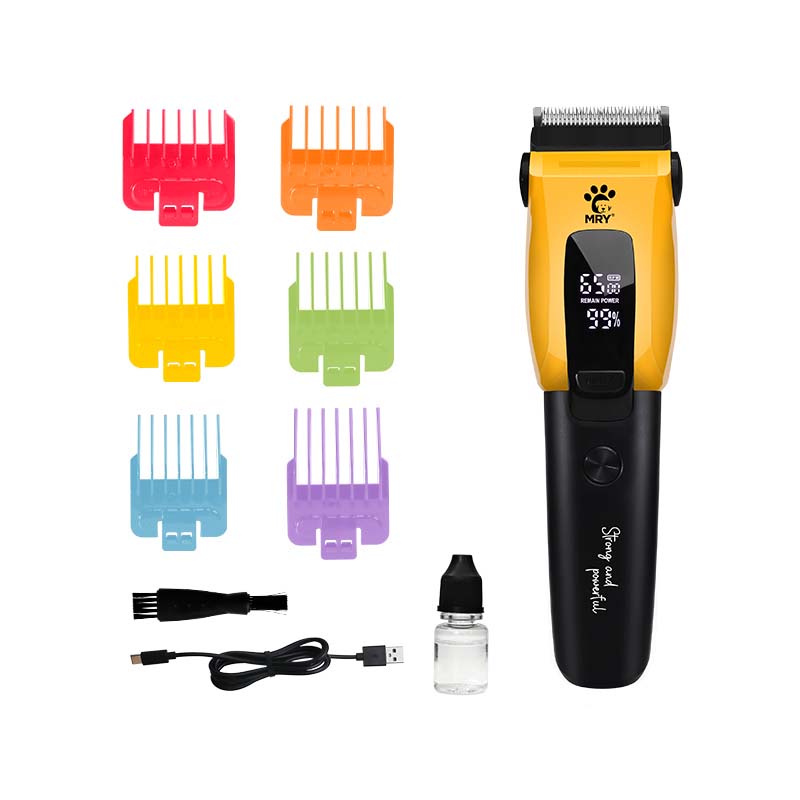
The main parts of any grooming tool are the blade and the motor. For thick hair, a strong motor is needed to keep the blade moving through dense fur without stopping. A rotary-style motor generally provides more turning force than other types. This helps the blade cut through heavy mats and undercoat without pulling. When a motor lacks sufficient power, the blade may slow down or stop completely when it encounters a tangle. This forces the owner to go over the same area repeatedly, which can irritate the pet's skin.
Blade Materials That Work Well
Additionally, the blade material matters. Blades made from ceramic or titanium blends stay sharp for longer periods when used on thick hair. A self-sharpening blade can be helpful because it reduces the need for frequent replacements. Standard steel blades can work well initially, but they may dull faster when used regularly on coarse or heavy coats. Ceramic blades have the benefit of staying cooler during use because ceramic does not conduct heat as much as metal. This is particularly useful for thick-haired pets because grooming sessions may take longer.
Tooth Spacing and Design
Another point to consider is the tooth pattern on the blade. Blades with wider spacing between teeth can handle more hair at once, but they may also increase the chance of pulling if the hair is tangled. On the other hand, fine-toothed blades work well for smooth finishes but may clog quickly on thick coats. A middle option often works for general thick-hair grooming. Some blades also have a rounded tip design, which lowers the risk of skin irritation when working around sensitive areas like the belly or legs.
Preparing the Coat Before Grooming
Even with a capable set of pet clippers, preparation matters. Before starting, brushing the pet to remove loose hair and small tangles helps the blade move more easily. Thick-coated pets often have dead undercoat that can clog blades within seconds. Using an undercoat rake before grooming removes this loose hair and allows the clipper blade to focus on cutting rather than pulling. Working in small sections, rather than trying to cut large areas at once, also produces smoother results.
Keeping the Blade Clean During Use
Frequent blade maintenance mid-groom is essential, as thick fur rapidly builds up debris between blade teeth. A tiny cleaning brush or compressed air can clear trapped hair with minimal downtime. Many groomers keep a soft cloth handy to wipe down the blade after finishing each section. When hair clogs the tooth gaps, cutting efficiency plummets, and the motor bears unnecessary strain. Pausing for just a few seconds every few minutes to clear debris ultimately speeds up the entire grooming process.
Managing Heat During Long Sessions
Trimming thick fur generates heightened friction, which quickly warms both the cutting blade and clipper body. Most heavy-duty grooming clippers come fitted with cooling vents or heat-dissipating materials to counteract overheating. Scheduling short cooling breaks during extended grooming sessions lets the device’s temperature drop back down. This practice protects the clipper’s internal parts and keeps pets comfortable, as hot blades pressed against skin cause discomfort. Some owners keep a spare replacement blade on hand to swap in once the original blade grows too warm.
Final Guidance for Thick Coat Grooming
When shopping for pet clippers for thick-coated animals, prioritize three core specs: robust motor output, high-quality blade material, and well-matched tooth spacing for your pet’s fur type. Consistent blade cleaning and proper trimming techniques are equally vital for achieving silky, even grooming results. Equipped with a purpose-built clipper and a gentle, patient routine, grooming thick-furred pets turns from a stressful chore into a simple, stress-free task.

[email protected]
[email protected]
+86-15167911707
+86-18257873768
Building 2, No.88 Jiugui Road, Chengxi New District, Yougkang City, Zhejiang, China
Copyright © Zhejiang Yongkang MRY Industry & Trade Co., Ltd. All Rights Reserved.
Hair Curler For Home Use Factory