Español
 русский

-
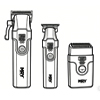
MRY Clipper Set
-
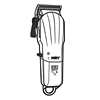
MRY Hair Clipper
-
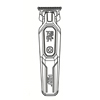
MRY Hair Trimmer
-
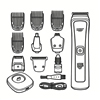
MRY Grooming Kit
-
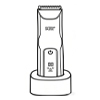
MRY Body Trimmer
-
Bald Head Shavers
-
MRY Rotary Shaver

-
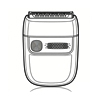
Travel & Mini Electric Shavers
-
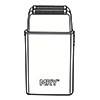
MRY Foil Shaver
-
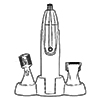
MRY Nose Trimmer
-
MRY Hair Dryer
-
Hot Air Brush
-
MRY Hair Curler
-
MRY Hair Straightener
-
MRY Lady Shaver
-
MRY Electric Callus Remover
-
MRY Electric Manicure Kit
-
MRY Ultrasonic Cleaning Machine
-
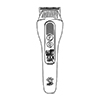
MRY Pet Clipper
-
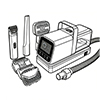
MRY Pet Hair Dryer
-
Pet Electric Cleaning Products
-
MRY Potable Fan
-
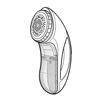
Electric Lint Remover
-
Other Personal Care Supplies

Pet Clippers and Coat Preparation: Reducing Grooming Problems Through Better Blade Selection
A smooth grooming result does not depend on the clipper alone. Coat condition, blade selection, preparation, and operating technique all influence how easily hair can be trimmed. Recently, more pet owners and professional groomers have been discussing coat matting, uneven cutting, skin irritation, and the difficulty of handling curly or thick hair. These concerns also affect distributors and grooming businesses when choosing equipment for different customer groups. As a manufacturer, we believe that understanding the relationship between coat types and clipping tools is essential when developing and selecting Pet Clippers for everyday grooming applications.

Coat Preparation Should Come Before Clipping
One common reason for uneven trimming is poor coat preparation. Loose hair, dirt, moisture, and tangled sections can interfere with blade movement, making the grooming process less comfortable for the animal and more demanding for the operator.
Before clipping, the coat should be clean, completely dry, and properly brushed. Pay particular attention to areas behind the ears, under the legs, around the neck, and near the tail, where tangles often develop. If severe matting is present, professional assessment is recommended rather than forcing a clipper through the tangled hair.
For grooming equipment suppliers, this practical issue highlights the importance of offering tools suitable for different coat conditions.
Blade Selection Affects the Final Grooming Result
Choosing a blade simply because it fits the clipper is not enough. Different blade lengths produce different cutting results, and the right choice depends on the animal's coat condition and the intended style.
Professional buyers should pay attention to:
- Cutting length: Suitable for different trimming requirements.
- Blade compatibility: Ensure replacement blades match the clipper system.
- Guide comb options: Useful for maintaining consistent coat lengths.
- Blade material: Consider wear resistance, cleaning requirements, and heat management.
A compatible blade and guide comb combination helps groomers maintain better control while reducing unnecessary repeated passes.
Thick and Curly Coats Need Appropriate Equipment
Curly and dense coats can place greater demands on grooming equipment. When hair becomes tangled or compacted, the blade may struggle to move smoothly through the coat.
For these applications, buyers should evaluate motor performance, blade structure, and cutting consistency together. A clipper designed for light trimming may not be suitable for demanding coat conditions.
It is also important to understand that double-coated breeds require different grooming considerations. Short shaving is generally not recommended without professional guidance, as their natural coat provides insulation and skin protection.
Preventing Skin Irritation During Grooming
Skin irritation is another concern frequently discussed by pet owners and grooming professionals. Excessive pressure, unsuitable blade lengths, repeated passes, and overheated blades can all contribute to discomfort.
We recommend several practical precautions:
- Keep the clipper moving steadily without pressing too hard.
- Check blade temperature regularly during operation.
- Use appropriate attachments for sensitive areas.
- Avoid clipping irritated or injured skin.
- Stop grooming if the animal shows signs of discomfort.
These practices help create a more controlled grooming experience and reduce avoidable equipment-related problems.
Clipper Maintenance Helps Maintain Cutting Consistency
Even a well-designed clipper requires regular maintenance. Hair accumulation between blade teeth can affect cutting performance, while insufficient lubrication may increase friction and wear.
After each grooming session, remove loose hair using a cleaning brush. Apply clipper oil according to the product instructions and inspect the blade assembly for damage or unusual movement.
For professional salons, keeping spare blades and maintaining a regular cleaning routine can also reduce interruptions between appointments. Distributors should consider replacement blade availability when evaluating products for long-term market supply.
What Buyers Should Evaluate When Sourcing Grooming Equipment
For wholesalers, retailers, and professional grooming suppliers, product selection involves more than comparing appearance and price. A suitable product range should address different grooming situations.
Important considerations include motor type, operating noise, blade compatibility, cordless or corded configurations, charging requirements, accessory availability, and ease of cleaning.
OEM and private-label buyers should also discuss housing design, packaging requirements, branding options, and quality inspection procedures with their manufacturing partners. Clear product specifications make it easier to position different models for home users, mobile groomers, and professional salons.
Developing Pet Clippers Around Practical Grooming Challenges
The growing demand for convenient home grooming and professional pet care is creating more varied expectations for grooming equipment. Buyers want products that are easy to handle, maintain, and match with different grooming tasks. As a manufacturer, we focus on practical product considerations such as motor performance, blade design, operating comfort, and accessory compatibility. Understanding these details helps businesses select suitable Pet Clippers for their target markets while giving groomers and pet owners a more manageable approach to everyday coat care.

[email protected]
[email protected]
+86-15167911707
+86-18257873768
Building 2, No.88 Jiugui Road, Chengxi New District, Yougkang City, Zhejiang, China
Copyright © Zhejiang Yongkang MRY Industry & Trade Co., Ltd. All Rights Reserved.
Hair Curler For Home Use Factory