Español
 русский
-
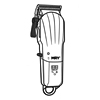
MRY Hair Clipper
-
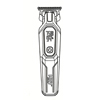
MRY Hair Trimmer
-
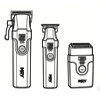
MRY Clipper Set
-
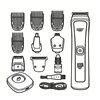
MRY Grooming Kit
-
MRY Body Trimmer
-
MRY Rotary Shaver
-
Travel & Mini Electric Shavers
-
MRY Foil Shaver
-
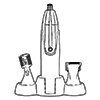
MRY Nose Trimmer
-
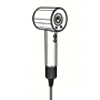
MRY Hair Dryer
-
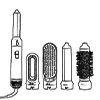
Hot Air Brush
-
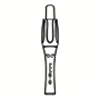
MRY Hair Curler
-
MRY Hair Straightener
-
MRY Lady Shaver
-
MRY Electric Callus Remover
-
MRY Electric Manicure Kit
-
MRY Ultrasonic Cleaning Machine
-
MRY Pet Clipper
-
MRY Pet Hair Dryer
-
MRY Potable Fan
-
Electric Lint Remover
-
Other Personal Care Supplies

How Better Blade Design and Easy Cleaning Shape Women’s Shaver Choices
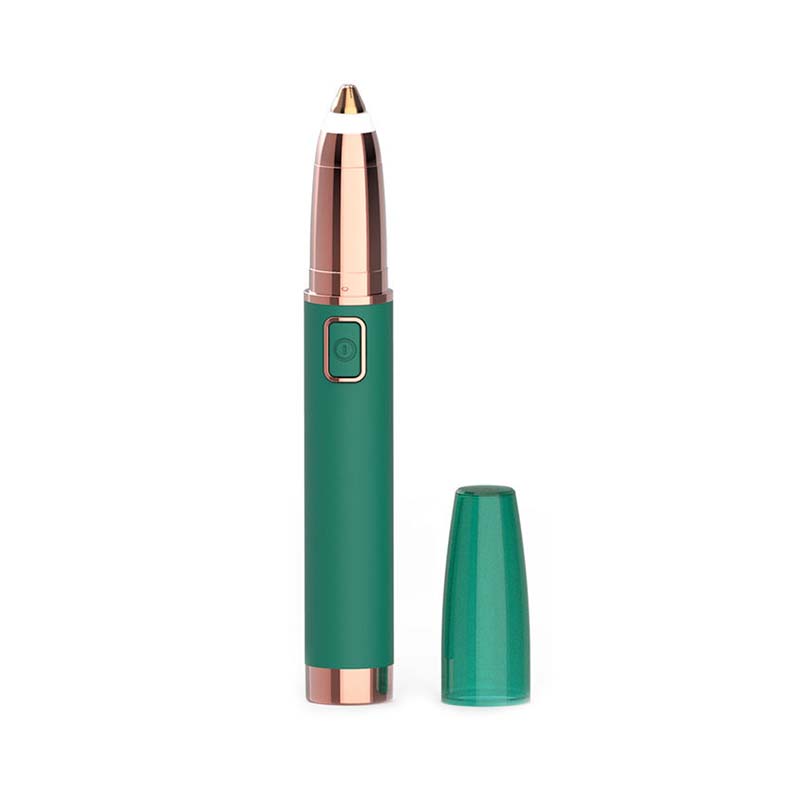
For women’s personal care brands and retailers, a shaver that looks attractive on the shelf is only part of the job. Customers also expect comfortable skin contact, convenient cleaning, and reliable performance during everyday grooming. As a Women Shaver Factory, we focus on these practical needs when developing products for different markets, helping business buyers address common customer complaints while building product lines suited to modern personal care routines.
Comfortable Shaving Starts with Skin Contact
Women use electric shavers on different body areas, including legs, underarms, and the bikini line. Each area presents different challenges, from curved contours to sensitive skin. A shaver that pulls hair or creates friction can quickly discourage repeat use.
Blade configuration, protective foil design, and the shape of the shaving head all influence the user experience. When selecting a women’s electric shaver supplier, buyers should examine how the shaving head follows body contours and whether the product is designed for the intended grooming areas. Clear product positioning also helps retailers set realistic expectations and reduce complaints caused by choosing an unsuitable model.
Easy Cleaning Makes Daily Grooming More Convenient
Hair residue and moisture can collect around the shaving head after use. If cleaning takes too much effort, customers may neglect maintenance, affecting hygiene and product performance over time.
For this reason, washable designs can be an important option for brands serving customers who value convenience. Before confirming a product for a target market, buyers should check whether the shaving head can be removed, which parts can be rinsed, and whether the complete unit is suitable for wet use. As a manufacturer, we recommend matching cleaning instructions to the actual product structure rather than relying on broad waterproof claims.
Wet and Dry Functions Need Clear Product Positioning
Some customers prefer a quick dry shave before leaving home, while others want to use a shaver during a shower or as part of a regular bathing routine. These preferences can influence product selection, packaging, and retail descriptions.
Wet-and-dry models may appeal to customers seeking flexibility, but buyers should verify the intended usage conditions and care instructions. A washable shaving head does not automatically mean the entire device is waterproof. Accurate descriptions help distributors avoid misunderstandings and give end users a clearer picture of how the product fits into their routines.
Battery Performance Matters During Travel
Portable grooming products are often used away from home, making charging convenience and battery reliability important considerations. Customers may become frustrated when a shaver is difficult to recharge or when battery information is unclear.
When comparing cordless women’s shavers, purchasing teams should review the charging interface, stated operating time, charging duration, and battery specifications for each model. Travel-oriented product lines may also benefit from compact designs and protective caps or storage accessories, where available. These details give retailers practical selling points beyond appearance alone.
Product Selection Should Reflect Different Customer Needs
A single shaver design may not suit every retail channel. Online beauty stores, pharmacy chains, travel-accessory sellers, and personal care brands can have different expectations for features, packaging, and price positioning.
During product evaluation, buyers can compare:
- Shaving head design: suitability for the intended body areas.
- Handling and grip: ease of use during everyday grooming.
- Cleaning method: removable components and permitted washing procedures.
- Power options: charging method and operating requirements.
- Accessories and packaging: whether the supplied items match the intended sales channel.
This approach helps buyers build a product range around genuine user needs instead of selecting models based on appearance alone.
Quality Checks Help Reduce After-Sales Problems
For importers and private-label brands, product consistency matters just as much as the initial sample. Differences in blade alignment, switch operation, charging performance, or assembly quality can customer complaints and additional service costs.
Our manufacturing evaluation process focuses on product specifications, component fit, functional operation, and packaging requirements according to the model and agreed inspection criteria. We also encourage buyers to confirm sample approval procedures, inspection scope, documentation, and defect-handling arrangements before placing repeat orders. Clear communication at this stage helps both parties maintain consistent expectations throughout production.
OEM and Private-Label Options Support Market Fit
Brands entering the women’s grooming category may need different product colors, logo placement, packaging formats, or accessory combinations. These requirements should be discussed early because they can affect product selection, sampling, production arrangements, and delivery planning.
As a Women Shaver Factory, we work with business buyers to assess model suitability against their target customers, sales channels, and branding requirements. By discussing product functions, maintenance instructions, quality expectations, and packaging before production, buyers can develop a women’s shaver offering that responds to everyday grooming concerns while creating a clearer identity for their own brands.

[email protected]
[email protected]
+86-15167911707
+86-18257873768
Building 2, No.88 Jiugui Road, Chengxi New District, Yougkang City, Zhejiang, China
Copyright © Zhejiang Yongkang MRY Industry & Trade Co., Ltd. All Rights Reserved.
Hair Curler For Home Use Factory